Exploring the legacy of the Tuskegee Airmen

Dive into the inspiring history of the Tuskegee Airmen, America’s pioneering Black aviators who broke barriers during World War II. In our reference guide, you’ll find a curated selection of books and electronic resources from the Indiana State Library’s collection.

If you want to learn more about the history of the Tuskegee Airmen, be sure to check out the free panel discussion being held at the Indiana State Museum as part of their Juneteenth Saturday Celebration on Saturday, June 20.

“History of the Tuskegee Airmen” will take place at the Indiana State Museum from 1-2 p.m., and will feature modern-day pilots from the Indianapolis Chapter of Tuskegee Airmen, joined by Kisha Tandy, curator of social history. Join in as these contemporary aviators discuss the enduring legacy of the Tuskegee Airmen and how their bravery continues to inspire new generations.

We invite you to explore this important history through our curated reference guide and then continue your learning by attending the “History of the Tuskegee Airmen” panel at the Indiana State Museum’s Juneteenth Celebration. Together, these resources and community conversations help bring the powerful legacy of the Tuskegee Airmen to life.

Indiana State Library Tuskegee Airmen Reference Guide

The Wild Blue: The Men and Boys Who Flew the B-24s over Germany
Ambrose, Stephen
ISLM D790 .A786 2001
General book collection

The Tuskegee Airmen: The story of the Negro in the U.S. Air Force
Francis, Charles E.
ISLM D810.N4 F76
General book collection

“Tuskegee Airmen Chronology”
Haulman, Daniel L.
ISLM D 301.82/7:T 87
Electronic resource

Black Knights: The Story of the Tuskegee Airmen
Homan, Lynn M.
ISLM UG834.A37 H64 2001
Browsing collection

“United States Army Aeromedical Support to African American Fliers, 1941-1949: The Tuskegee Flight Surgeons”
Jones, David Randolph
ISLM D 301.2:AE 8/11
Electronic resource

Invisible Generals: Rediscovering Family Legacy, and a Quest to Honor America’s First Black Generals
Melville, Doug
ISLM U53.D38 M45 2024d
Large type collection

“Tuskegee Airmen National Historic Site, Alabama
National Park Service, U.S. Dept. of the Interior
ISLM I 29.6/6:T 87
General federal documents collection

“Congressional Gold Medal to the Tuskegee Airmen”
United States
ISLM AE 2.110:109-213
General federal documents collection
Electronic resource: Text version
Electronic resource: PDF version

“An Act to Designate the Facility of the United States Postal Service Located at 99 Macombs Place in New York, New Yor, as the ‘Tuskegee Airmen Post Office Building’.”
U.S. Government Publishing Office
ISLM AE 2.110:115-211
Electronic resource: PDF version
Electronic resource: Text version

“The Freemen Field Mutiny”
Warren, James C. Lt. Col
ISLI 940.54 W289F
Indiana collection

You can read more on the Freeman Field Uprising on the Indiana Historical Bureau blog.

“Tuskegee: A Retrospect and Prospect”
Washington, Booker T.
Electronic resource

Indiana Aviation Escape Experience Kit,” Bilingual: English/Spanish
Included in this kit is (almost) everything you need to host escape experiences at your library based on Indiana history and featuring primary source documents.

*Escape Experience Kits are available to Indiana librarians and teachers.

Picture of aviation-themed escape room kit.

This blog post was submitted by Michelle Frost, collections and outreach manager at the Indiana State Library.

Small business data resources

Data research goes hand-in-hand with business research. Though small businesses are a small percent of the data requests we receive at the State Data Center @ the Indiana State Library throughout the year, this data makes up an important part of the landscape of patrons served by our nationwide SDC network.

The U.S. Census Bureau recently released an annual data product called Nonemployer Statistics. What is a nonemployer, you might ask? Don’t worry! I ask this question all of the time. It turns out that this is the Census Bureau’s fancy way to say: “This business is run by one person only – the business owner. They don’t pay anyone else to run the business with them.” Here is the Nonemployer Statistics Glossary definition for the term:

A nonemployer business is one that has no paid employees, has annual business receipts of $1,000 or more ($1 or more in the Construction industry), and is subject to federal income taxes.

A nonemployer business is by nature considered a small business, and this is why I’d like to share the Small Business Resources you have at your fingertips through the State Data Center network. If you are a librarian or teacher, you can share these with your patrons and students, in hopes that their enterprising spirits are inspired during this year’s busy holiday season.

Federal Resources
Census Bureau’s State Data Center Program
There is an SDC in every U.S. State and major territory. You can request data – including economic and business data – and assistance from local experts using each statewide network here.

Census Bureau’s Census Information Center Program
The SDC’s companion program, the CIC Program, works closely with local data users to provide local communities of practice and policy analysts with training on using census data. Their statewide network can be accessed here.

U.S. Small Business Administration
The SBA can help you obtain funding for your small business by way of helping with research for loans and grants. Find information about business planning, running your business, and disaster planning here. View this current SBA blog article for “5 Small Business Trends for 2025.”

The SBA Indiana District Office is in Indianapolis and serves the entire state.

SCORE
A partner with the SBA, through SCORE.org, find a business mentor, plus access to free learning resources for starting and growing your small business.

State Resources
Indiana Secretary of State
Indiana’s INBIZ service lets you do research on current businesses, file to register your business, find state forms and answer questions about legal requirements.

Indiana Business Research Center
The IBRC at Indiana University’s Kelley School of Business is a partner of the State Data Center Program. Carol Rogers, a long time friend of the SDC, can assist data users in answering Indiana’s economic quandaries.

Center for Business and Economic Research, Ball State University
Ball State’s CBER is a partner of the State Data Center Program. The research team at CBER is dedicated not only to the Muncie area, but statewide coverage. Its director, Michael Hicks, is a frequent contributor to current literature about Indiana’s economy.

Indiana Economic Development Corporation
The Indiana Economic Development Corporation network has 10 regional Small Business Development Center offices and a University Center at the Purdue Center for Regional Development.

I hope you find these resources useful!

This blog post was written by Katie Springer, reference librarian and director of the Indiana State Data Center. For more information, contact the Reference and Government Services Division at 317-232-3678, or submit an Ask-A-Librarian request.

Indiana State Library renews INSPIRE contract; offers new learning resources for Hoosiers

The Indiana State Library has announced the renewal of its INSPIRE contract with EBSCO Information Services and TeachingBooks. INSPIRE, Indiana’s Lifelong Learning Library for Hoosiers, is a collection of more than 70 online academic databases and other information resources that can be accessed by Indiana residents at no cost at inspire.in.gov. The new contract enhances INSPIRE product offerings to provide a robust collection of online resources to all residents of Indiana who have internet access at school, home or work. 

Beginning July 1, residents of Indiana will have access to all EBSCO resources that have previously been available through INSPIRE, as well as a few new databases. Resources span across various research needs offering academic, business and general interest resources, including EBSCO’s distinguished Academic Search Complete and Business Source Complete resources. EBSCO databases available through INSPIRE also include medical research resources, as well as children’s and teens’ resources, e-book collections, communications and literature resources, newspapers and multilingual materials.  
New to the collection, Job & Career Accelerator provides job seekers with tools to explore careers, build resumes and find and apply for open positions. Rosetta Stone Library Solution Plus, an interactive world language immersion program, will also be accessible and includes more than 50 hours of foundational instruction in each level of each language. LearningExpress Library Complete is also now part of the collection and provides academic skill-building, test prep and career-related resources.  

Additionally, the Indiana State Library has renewed its contract with TeachingBooks, a resource collection that includes author and illustrator interviews, video book trailers, audio book readings, book discussion guides and more. TeachingBooks can be accessed via INSPIRE.  

Indiana State Librarian Jacob Speer anticipates continued success with the wealth of resources INSPIRE provides to the residents of Indiana. “We look forward to continuing our relationship with TeachingBooks and EBSCO and to seeing the benefits that our residents gain from the comprehensive collection of resources made available to encourage lifelong learning,” Speer said. 

This blog post was submitted by John Wekluk, communications director. 

A look at the Reference and Government Services Division’s collection at the Indiana State Library

Did you know the largest collection of material at the Indiana State Library is not from the Genealogy, Manuscripts, or Indiana Division collections, but from the Reference and Government Services Division? The division consists principally of the general collection, non-Indiana related material, government documents and the Indiana State Data Center collections. With the largest collection of material in the library, Reference and Government Services also has some of the state library’s best treasures.

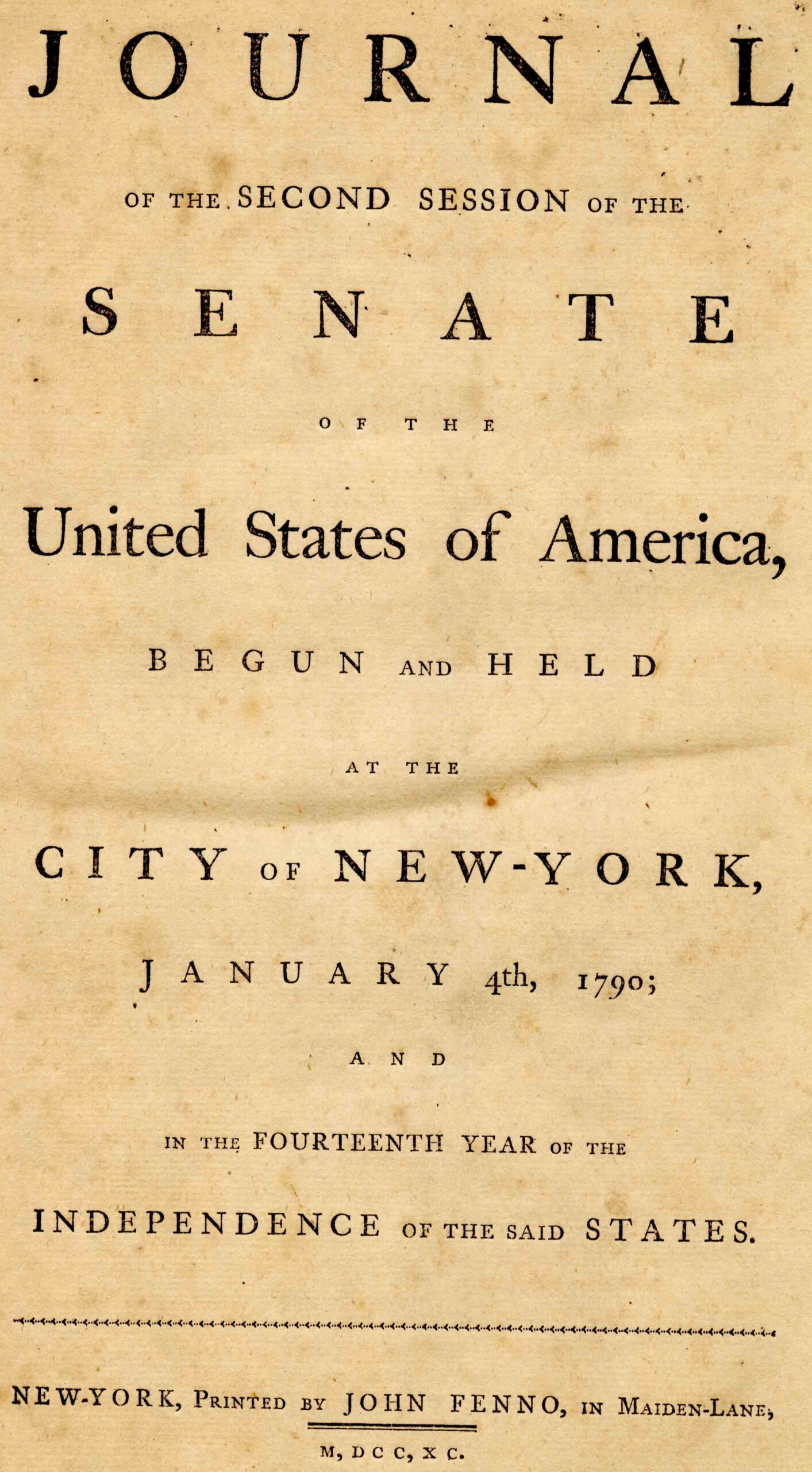
The State Library serves as the Regional Depository for the state of Indiana, collecting all content published by the Government Publishing Office as part of the Federal Depository Library Program. It is not clear exactly when the library joined the program, but the earliest record of involvement is from 1899. The library began collecting government documents from its inception, with the oldest federal document in our collection being the Journal of the Second Session of the United States of America, Begun and Held at the City of New York, Jan. 4, 1790.

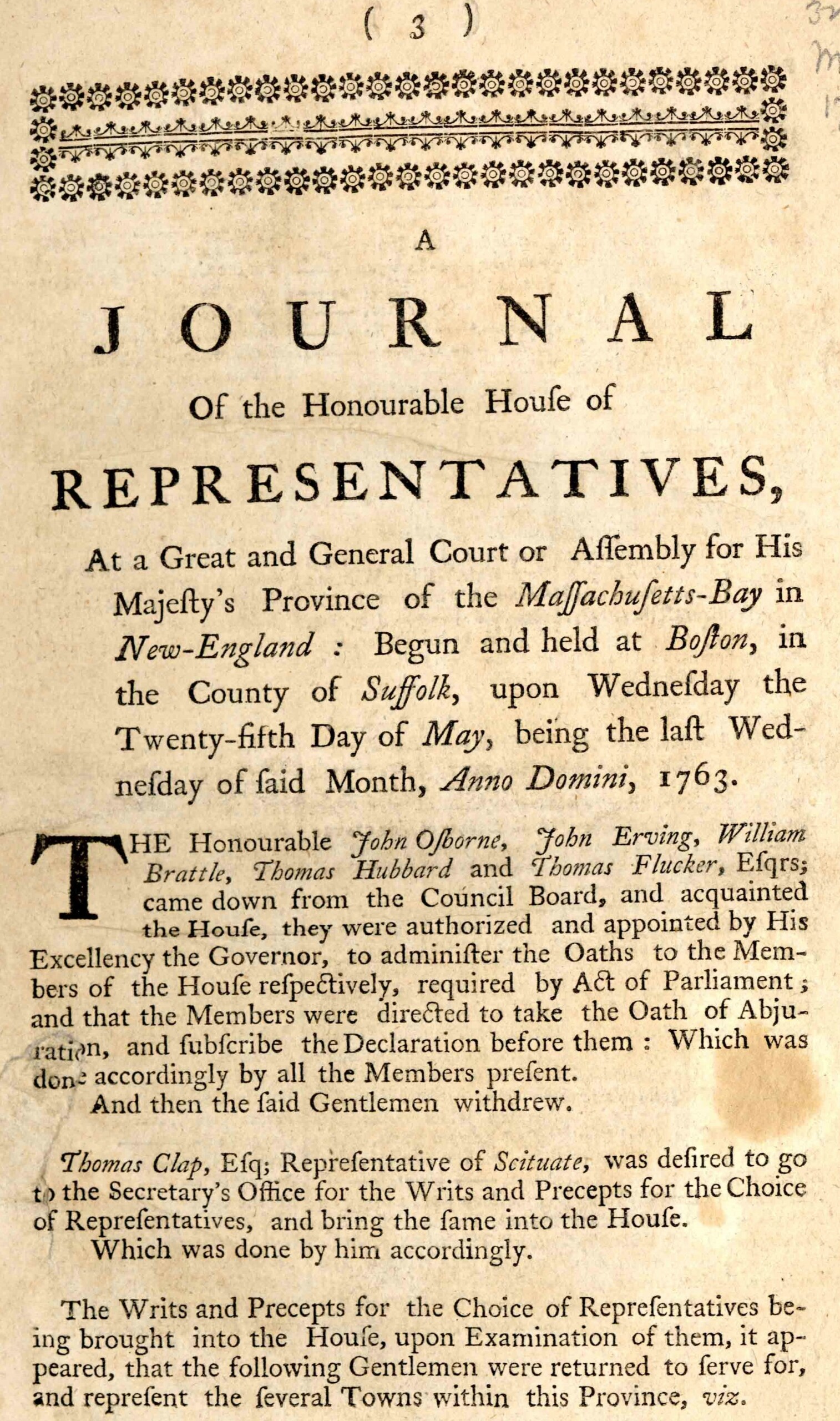
The library even has government documents that predate the founding of our country. Before the internet and readily available interlibrary loan systems, most states provided other state libraries with their own printed “state documents.” When Massachusetts shared their state documents, they sent the Indiana State Library copies of the Journals of the Massachusetts-Bay, when it still an English colony, including a set from 1763 to 1785.

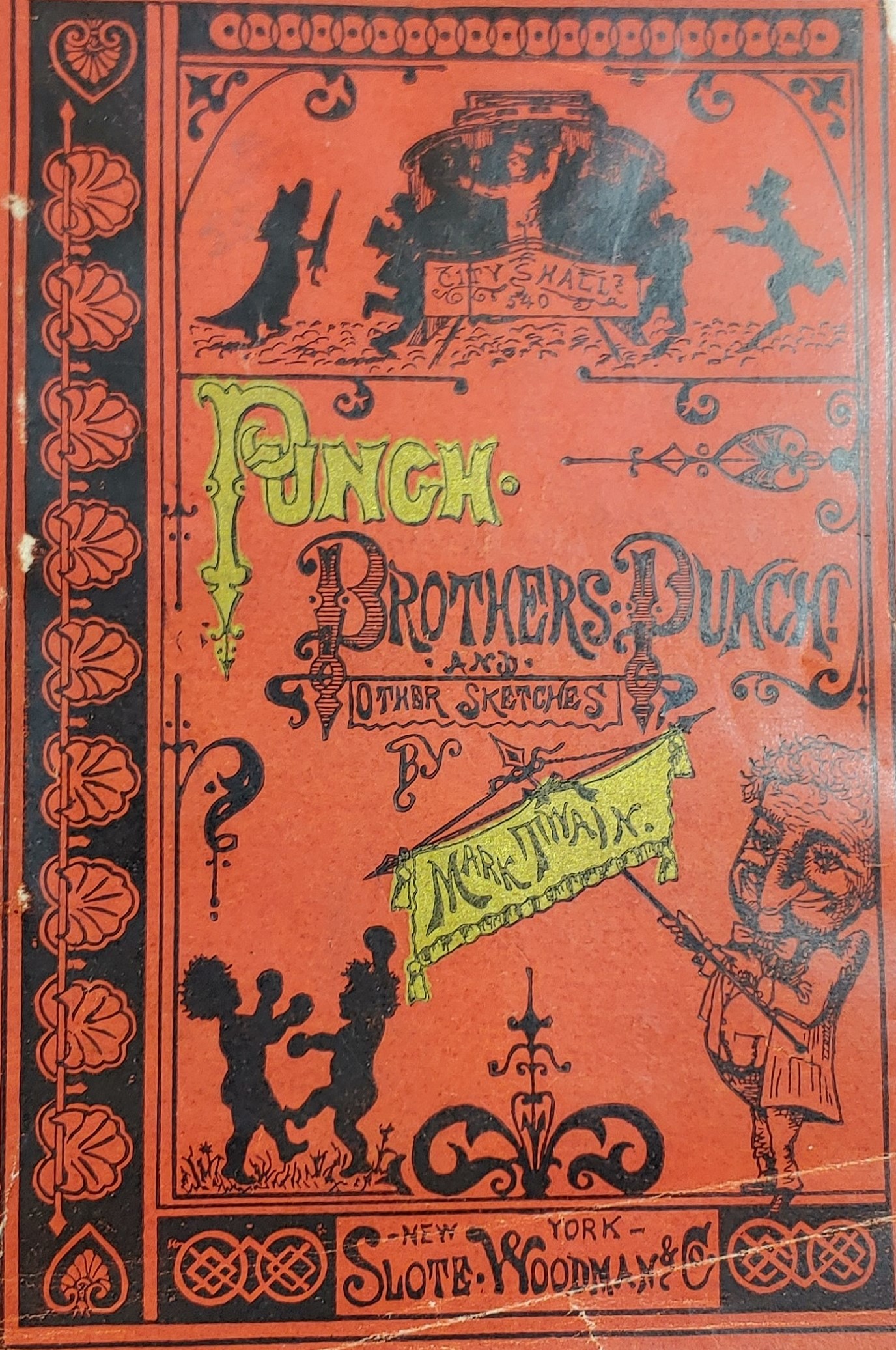
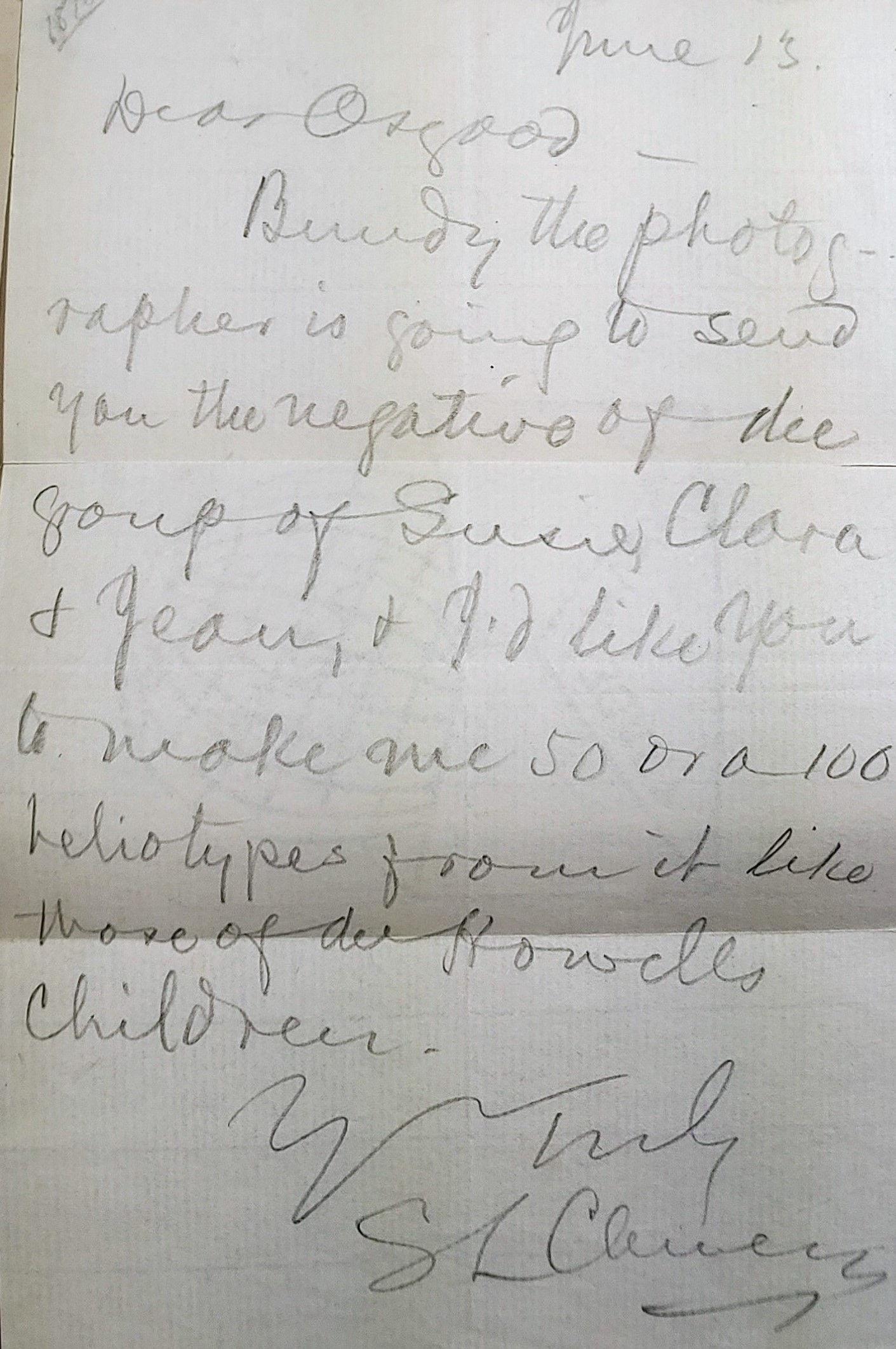
The Indiana State Library has been a research library since 1825, but as the library’s mission evolved, so have the collection policies. Since Indiana has a robust public library system, the State Library no longer collects fiction from non-Hoosiers. However, prior to the evolution of the public library system, the State Library bought what are now prized early edition books by the great American authors: Nathaniel Hawthorne, Edgar Allan Poe, Louisa May Alcott, O’ Henry and Mark Twain, among others. One of Twain’s books, “Punch Brother Punch and Other Sketches,” has a letter to his publisher written and signed by Samuel Clemens tipped into the back of the book!

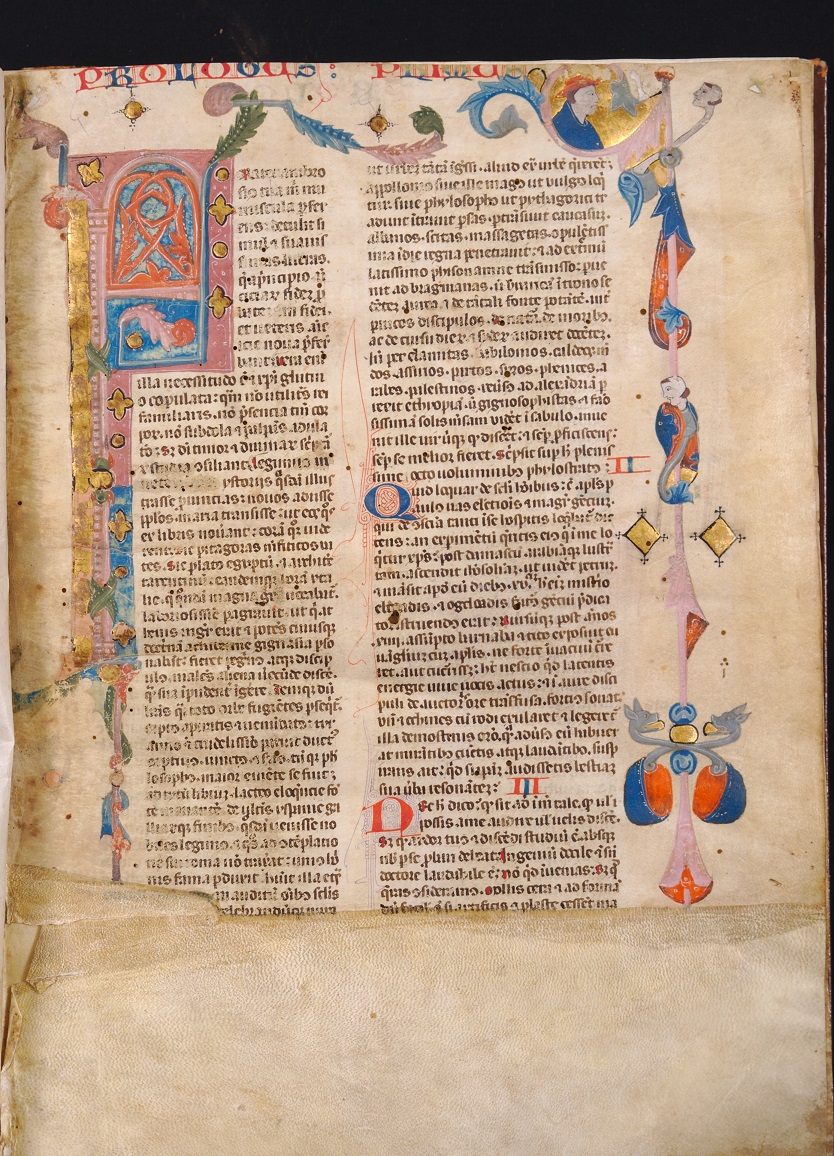
The State Library also has materials that are hundreds of years old, but are new to many. Case in point, this past August, the library hosted “The Mystery of the Darlington Bible” event. The program featured a talk from medieval scholar David Gura about the discovery of this historic work. The “Darlington Bible,” which was donated to the library in 1953 by the family of Frank Graef Darlington, is a 13th century illuminated manuscript bible. The rare bible is considered a new discovery to the medieval scholars’ community.

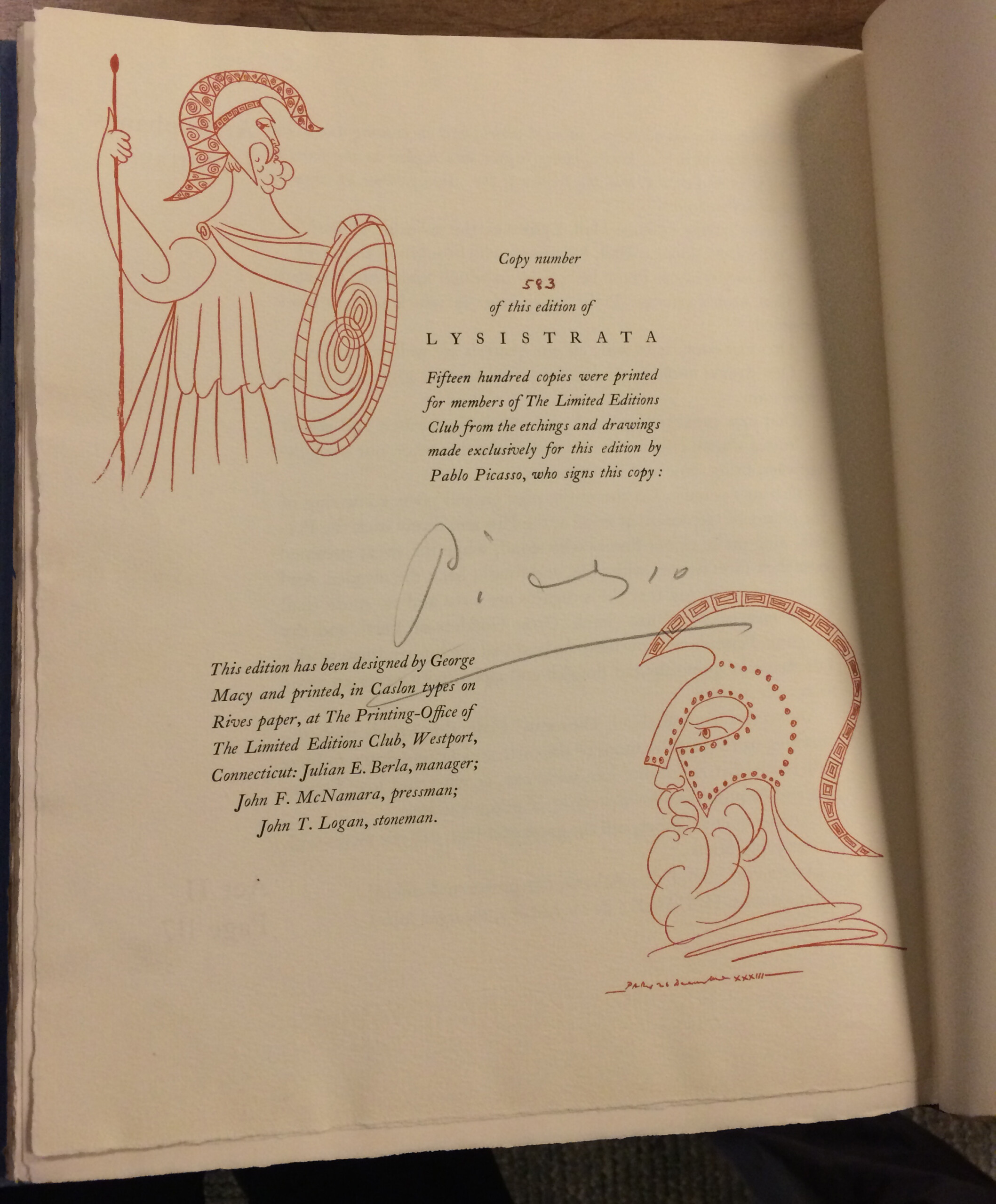
Sometimes literary treasures appear in odd places. In 1934, playwright Gilbert Seldes recreated an ancient Greek play, “Lysistrata,” originally written by Aristophanes. The Limited Editions Club of New York commissioned Pablo Picasso to illustrate a limited number of published volumes. The library owns copy number 583 which is signed by Picasso!

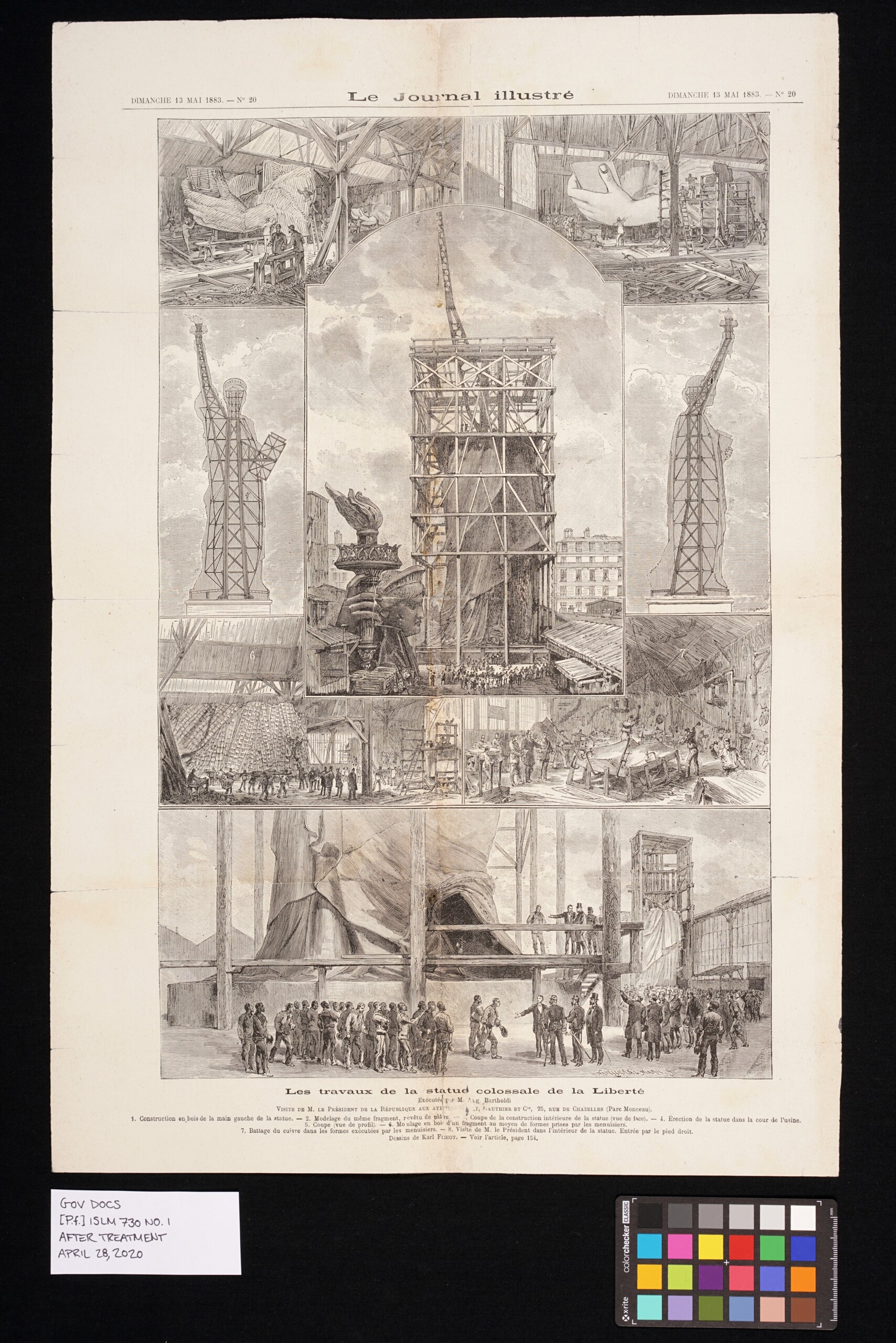
Another example of discovering a library treasure occurred while searching the General Pamphlet Collection. Rayjeana Duty, Circulation Support supervisor, discovered a rare single sheet of a newspaper, Le Journal Illustré from May 13, 1883. What made this issue unique and special is that it contained articles and illustrations showing the construction of the Statue of Liberty, before it was given to the United States in June of 1885. The images in the newspaper showed not only the Statue of Liberty being built, but also showed various images of the internal structure of the Statue of Liberty.

These are but a few examples of some of the treasures found at the Indiana State Library. You can view any of these ‘treasures’ as they belong to all of us!  Appointments are not required, but are strongly recommended to reduce your wait times while material is being retrieved from our closed stacks. You can reach us at 317-232-3678 or by using our Ask-a-Librarian service.

This blog post was written by Marcia Caudell, supervisor of the Reference and Government Services Division at the Indiana State Library.

U.S. government data spotlight: The CDC

The U.S. Centers for Disease Control and Prevention has been a major source for current U.S. data and statistics about COVID-19 over the span of the pandemic with its COVID Data Tracker. While it continues to fulfil its mission to protect the U.S. from other threats to health and safety, the federal agency maintains many online health tools, as well as portals to current and historical data and statistics.

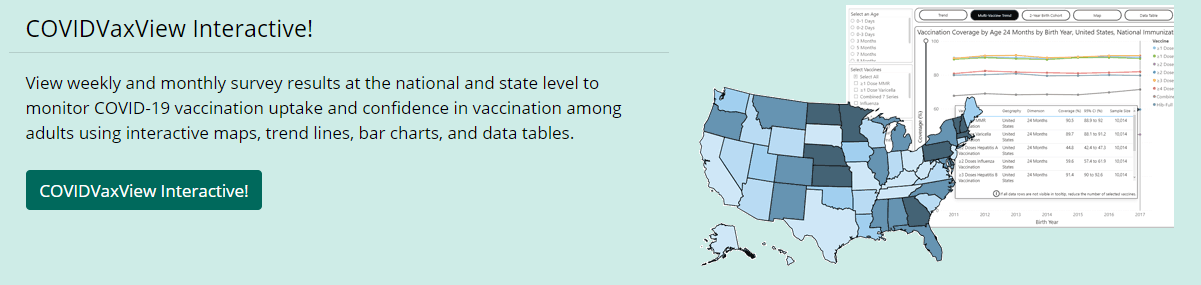
The CDC’s A-Z Data and Stats by Topic includes topics such as chronic disease prevention, which includes multiple health surveys designed to monitor lifestyle and health data; genomics, which directs data users to the NHANES survey and the newer HuGE, a knowledge base in human genetic health data; and vaccines and immunizations, which offers a new data visualization tool called COVIDVaxView Interactive. It allows data users to search vaccination coverage by race, age, sexual orientation, gender identity, poverty-level, place of birth and more at national, region and state-levels of geography.

If you want to dig deeper into the statistics CDC offers, visit the FastStats homepage with direct access to national and state-level health statistics. On the left side of FastStats, data is organized into categories including disability and risk factors, injuries and reproductive health. Visit the page for an A-Z index of over 100 links to health data reports and databases. Each of these links gives you access to the most current national data on the topic as well as related subject, recent reports and data tables and query tools or databases, that offer current and historical data on your health topic of interest.

The CDC’s Vital Signs is a periodical publication featuring the data behind current threats to health in the U.S. and covers measures of impact and ways for prevention. Past issues include topics such as containing unusual resistance, about antibiotic-resistant germs; safer food saves lives, about stopping foodborne health scares; and Hispanic health, which features health data specific to Hispanic/Latino peoples in the U.S. Each Vital Signs page contains articles identifying the issue, visual descriptions (e.g., videos, infographics and maps) and ideas for efforts at the federal, state and local levels to prevent the problem. The Science Behind the Issue section connects data users to the well-known CDC publication, the Morbidity and Mortality Weekly Report, and the newer Science Clips from the CDC Library. Data users are also directed to related Government Information websites and resources at the bottom of each page.

This blog post by Katie Springer, reference librarian. For more information, contact the Reference and Government Services Division at 317-232-3678 or submit an Ask-A-Librarian request.

Upcoming Get INSPIRED! sessions

This year, the Indiana State Library is hoping to help library employees across the state to Get INSPIRED! The Professional Development Office has added a second series to our webinar offerings, What’s Up Wednesday – Get INSPIRED! This series is on the second Wednesday of every month and will be a focused look at some aspect of the INSPIRE suite of tools. The remaining 2021 webinars in this series are below:

April 14 – “Ebooks”
Learn how to use the different features available in the new and expanded EBSCO Ebook collections in INSPIRE.

May 12 – “Live Q&A”
This will be an informal question and answer session about all things INSPIRE. If you have specific questions, please add them to this form and they will be answered during this session.

June 9 – “Business Databases”
Learn how to use the various business databases available in INSPIRE to access valuable business information.

July 14 – “INSPIRE for Career Prep”

Aug. 11 – “Live Q&A”

Sept. 8 – “Top INSPIRE Databases for Assisting Students”

Oct. 13 – “Digital Collections with Justin Clark”

Nov. 10 – “Live Q&A”

These webinars are all worth one TLEU each for Indiana library staff. Keep an eye on the PDO calendar of events and the INLibraries Listserv for more details. January’s “Introduction to INSPIRE” webinar can be found on the archived webinars page. March’s webinar “INSPIRE Search Strategies” will be archived soon, so be sure to check the archived page for this great opportunity.

This post was written by George Bergstrom, Southwest regional coordinator, Professional Development Office, Indiana State Library.

Genealogy research in print materials

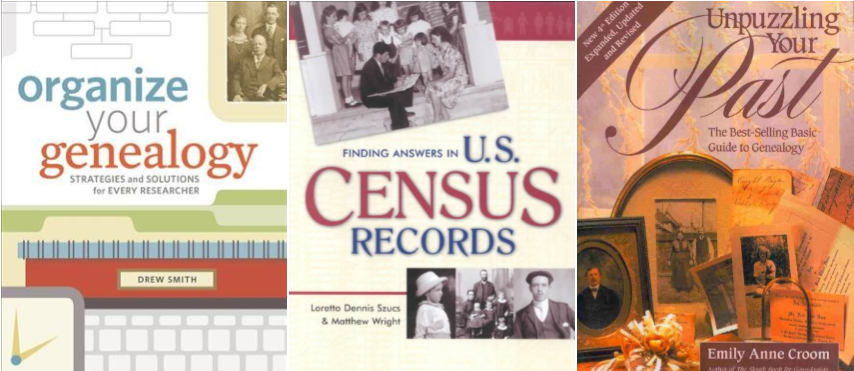
Genealogy research is so much easier than it’s ever been, thanks to the many subscription services and free databases available to researchers in their homes at any time of day or night. These databases, however, contain only a small fraction of the genealogical information available to family historians. If you have exhausted the online resources available on your family, or if you are looking for new and interesting sources for research, it may be worthwhile to look at print materials.

This series of books documents the descendants of the Mayflower passengers.

Genealogy libraries have a wide variety of print materials, and not just books. Our collections also include vertical files, maps, family trees, Bible records, manuscript collections, photograph and more. All of these materials contain family histories, indexes to records, research notes and all sorts of information on individuals and families.

If you visit a genealogy library, there are so many books and materials available that it’s easy to lose track of what you’re looking for as you browse through so many interesting-looking books. So it’s helpful to have a research plan, even before you visit a library.

As part of your research plan, you can identify which ancestors you want to research, and in what time period and geographic area they lived. That way, you can more easily identify which books and reference materials will help with your research and which ones will not. You may also want to consider books about families that are connected to yours.

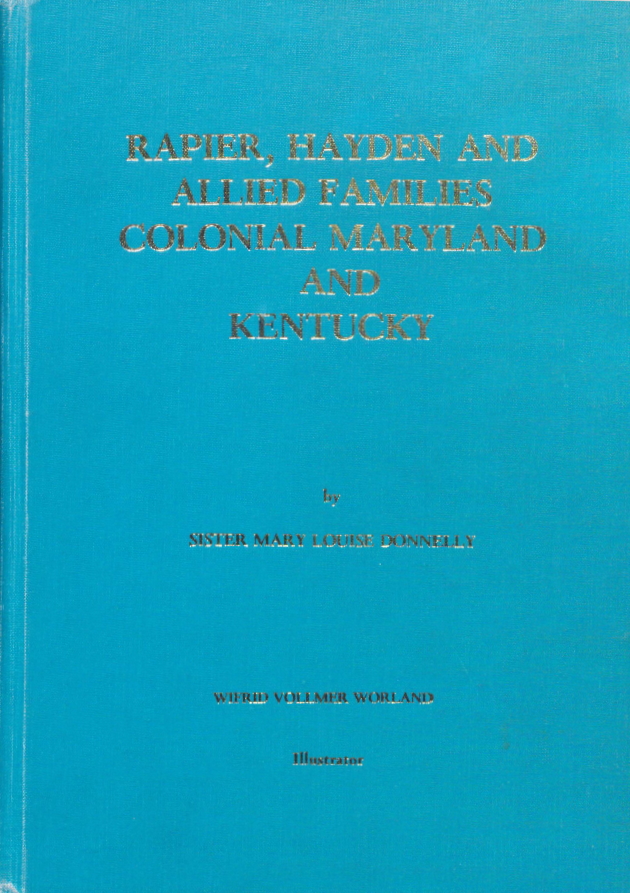
Researchers of connected families may have written about your family in their books.

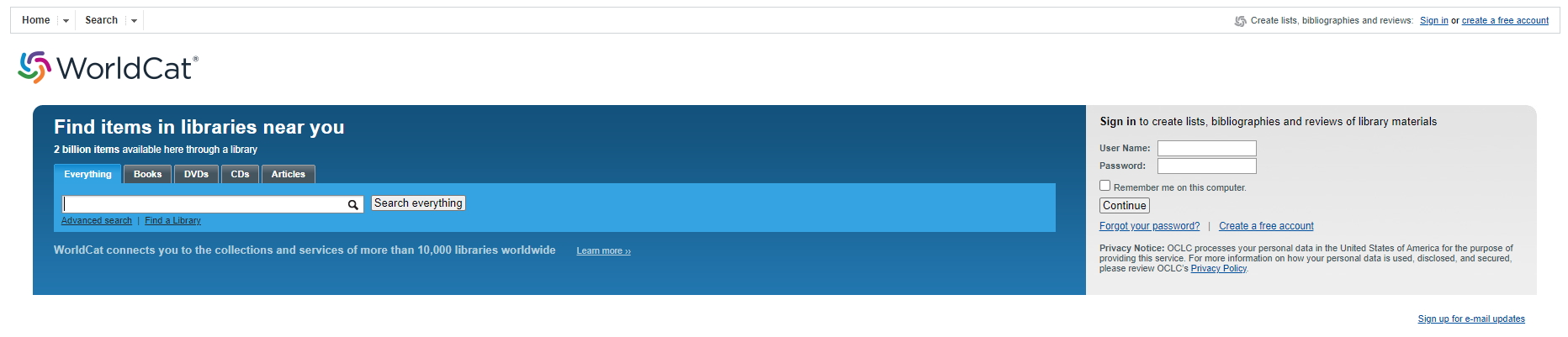
You can also search a library’s catalog online before you visit to see if they have books on a specific family or topic. If you are interested in a broader search for potential research materials, WorldCat is a great place to start.

WorldCat main page.

WorldCat is a shared library catalog that includes libraries from around the world. You can search by title, author or any subject or surname that interests you. Not every library participates in WorldCat, but many libraries are included. This can help you find if anyone has ever written a book on your family, and if so, which libraries own it.

When you visit a library and begin to research in the books that interest you, also take a peek at the books shelved around the books you want. While searching the catalog definitely helps you find the books you want, you may also find something on the shelves that you didn’t know you needed until you see it. You may also find books with alternate spellings of your family name that you did not consider while searching the catalog.

Names often changed spelling over time, so considering alternate spellings may lead to resources you otherwise might have missed.

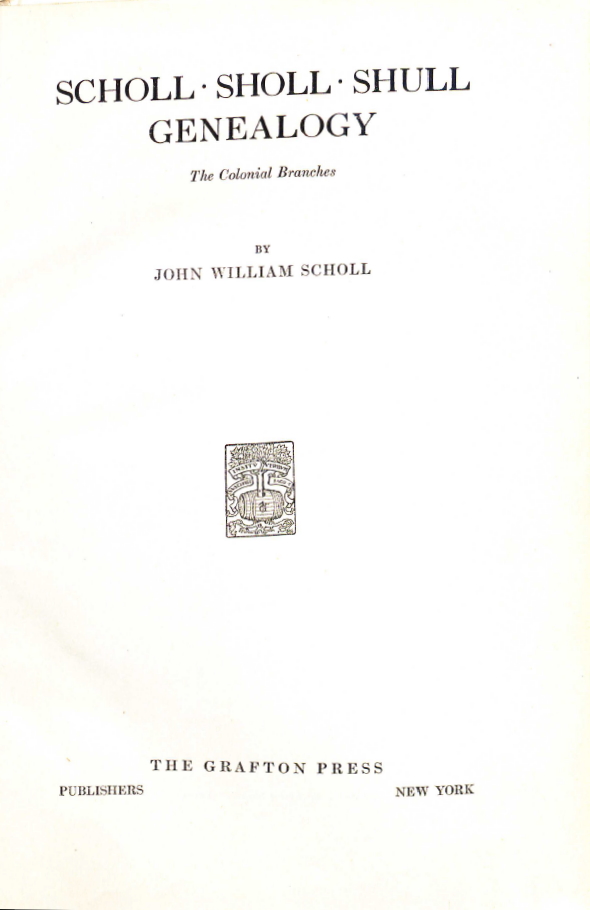
To make organizing your library research easier when you get back home, as you take notes on the materials or make copies from the books, copy the information from the title page so you know what book you got the information from. And if you check a book and do not find anything relevant to your research, note that as well.

So, if you are interested in expanding the scope of your genealogy research, consider branching out into print materials. There is so much more that you can discover about your family tree!

This blog post is by Jamie Dunn, Genealogy Division supervisor.

Ways to fill your shelves without draining your budget

About a month ago, the Indiana State Library hosted a webinar titled “Ways to Fill Your Shelves Without Draining Your Budget.” During the webinar, I shared a multitude of resources for librarians showing where they can obtain free books. The webinar is now archived on the Indiana State Library’s website and available for viewing at any time. In case you missed it, or if you would like to try out a few of the resources included in the webinar, here are a few highlights:

EarlyWord – The EarlyWord website is a great place to find contact information for publishing houses and their many imprints. As a librarian, you can request books early to review and/or preview for purchase. Once you find out the publisher of a book, EarlyWord is a great place to go to find out who to contact for a specific book. They have two lists: one for adult publishing contacts and one for children’s publishing contacts. Another great feature of EarlyWord is that you can sign up for librarian newsletters from the links provided and organized by publisher. Publisher’s newsletters most always have contests and giveaways for free books for librarians.

Bookish First – On Bookish First, there are a few featured books each month that you can read an excerpt from and provide a quick first impression. For each of impression you write, you get points. You are also entered to win physical copies of each book you write the first impression for as well. Then, if you review books on their website, share your review to Amazon, Goodreads, or your blog if you have one, you can receive even more points. Once you have 2,000 points, you can choose a free book to be mailed to you. It’s free to signup, and when you do, you automatically get 500 bonus points to get you started.

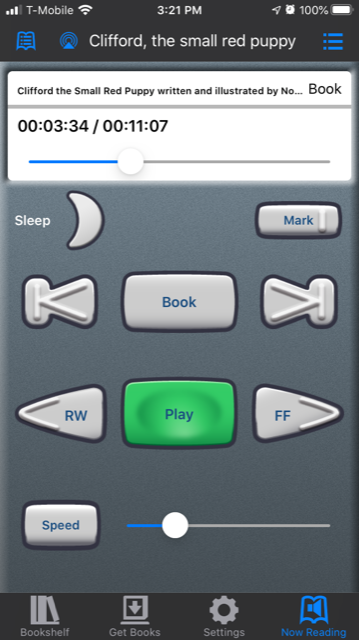
Early Audiobook Listening Copies – There are two places I check each month to get complimentary early audiobook listening copies, known as ALCs, specifically for librarians. These are LibroFM and the Volumes app. Both are free to sign up. With LibroFM, librarians and educators can download three free audiobooks each month from their selection, which is updated monthly. For the Volumes app, you’ll have to download the app and then signup on the link provided above. Then you can download free audiobooks each month to review. They are yours to keep after downloading.

If you would like to view the full webinar – and see even more resources for receiving free books – you can access it on our Archived Webinars page, or directly via the link shared above. Don’t hesitate to contact me via email if you have any questions regarding these resources.

Submitted by Laura Jones, Northwest regional coordinator, Indiana State Library.

Online resources for talking books

The Indiana Talking Book and Braille Library provides free library service to anyone in the state of Indiana who cannot use standard printed materials due to a visual or physical disability. While our service is primarily through the mail, there are some great online resources available that can help improve the service you are receiving. Here are a few of things to check out:

The BARD mobile app

BARD – Braille and Audio Reading Download
BARD is a free service through the Indiana State Library that gives patrons direct access to over 115,000 special format books, magazines and music scores. Audio books and magazines downloaded from BARD can be put on a flash drive and listened to using a library-provided talking book player. Patrons can also chose to utilize BARD Mobile for Apple, Android or Amazon Fire devices. There are never any wait lists or due dates for books downloaded from BARD. Whether you want the most popular book or you are looking for something a bit more obscure, it’s always available on BARD.

For more information, including instructions on signing up for BARD and for downloading books, please visit our website.

Talking Book Topics and Braille Book Review
Talking Book Topics and Braille Book Review are the publications produced by the National Library Service containing the latest releases in audio and braille. Typically, these NLS publications are mailed to patrons’ homes, but they can also be viewed online. Issues of the catalogs are available back to 2014 and can be accessed in html, plain text or as an accessible PDF. The html version contains links that will take you directly to the book on BARD, where it can be downloaded or added to your wish list for later. Patrons can also order books out of any of the catalogs by calling or emailing the library and giving us the book number or title.

List of Books by Topic or Genre
NLS has also created broad bibliographies containing extensive lists of books in the categories of gentle romance and westerns, as well as mini-bibliographies, which contain lists of books on more narrow topics such as guide dogs and Booker Prize winners. These are a great resources if you are looking for some inspirations on what you might want to read next.

This blog post was written by Maggie Ansty of the Indiana Talking Book and Braille Library. 

Novel coronavirus COVID-19 resources for libraries

The following blog post is intended to provide general information and should not be construed as legal advice. The author relied on federal law and Indiana law, but did not research any other jurisdictions. Due to the rapid changes of this evolving public health emergency, the most appropriate information and recommendations will likely change daily. The information below is up-to-date as of March 18.

Libraries throughout Indiana are now embracing the dual challenge of meeting community needs while protecting the safety of staff and patrons during the current outbreak of the novel coronavirus, known as COVID-19, as well as other pandemic diseases in the future. Symptoms of COVID-19 include fever, cough and difficulty breathing.

The COVID-19 outbreak provides an opportunity for local public libraries to educate the public using reliable and accurate sources for medical and public health information. The geographic spread of the virus also creates an opening to reinforce libraries’ traditional values of inclusion and non-discrimination.

Libraries are asking about their obligations to staff and patrons during a pandemic. The Indiana State Department of Health advises public facilities to take “every day preventive measures” to help contain the spread of COVID-19. These include:

  • Ensuring adequate hand washing facilities and supplies are available.
  • Posting signs encouraging proper hand washing and respiratory etiquette.
  • Encouraging sick employees to stay home.
  • Encouraging patrons not to enter the building if they are sick.
  • Performing routine environmental cleaning (cleaning all frequently touched surfaces in the workplace).

The Centers for Disease Control and Prevention also recommends that employers create an infectious disease outbreak plan in order to be ready to implement strategies to protect their workforce from COVID-19 while ensuring continuity of operations. See CDC’s Interim Guidance for Businesses and Employers for more information.

The U.S. Department of Labor suggests employers review their leave policies and consider providing increased flexibility to employees and families. Because flexible policies can open the door to discriminatory practices, DOL reminds employers they must administer flexible leave policies in a manner that doesn’t discriminate against employees because of race, color, sex, national origin, religion, age (40 and over), disability or veteran status.

Some of the measures that libraries are already taking include:

  • Increasing the frequency of sanitizing public computer keyboards.
  • Cleaning public contact surfaces twice per day.
  • Making hand sanitizer available in numerous locations (e.g., public computers, circulation desk and staff area) with signs encouraging use and encouraging patrons to use hand sanitizer both before and after using the computer.
  • Encouraging staff to wash hands frequently and thoroughly.
  • Cancelling programs; either some or all for a temporary period.
  • Removing toys or other touch-heavy objects from children’s areas.
  • Curbing outreach to at-risk populations, such as retirement communities.
  • Temporarily suspending requirement of a doctor’s note for an extended staff absence.
  • Closing temporarily, reducing services or changing the services provided.

The following resources provide additional suggestions and information:

Every Library: Resources for Libraries on Coronavirus
Library Journal: What Public Libraries Need to Know about the Coronavirus

Libraries do not need to start from scratch in designing new policies and procedures to address COVID-19 or other pandemic diseases. We urge you consult your library’s attorney before proposing changes or additions to your library’s policies, but the following resources can serve as templates to help you get started:

As we move through this ever-changing public health crisis, it is reassuring to discover so many organizations sharing freely of their time and resources to help us all figure out what we need to be doing.

Written by Cheri Harris, certification program director/legal consultant at the Indiana State Library