Are you related to a famous person?

How do you find out if you are related to a famous person?

A well-researched and healthy family tree is a great place to start. The more generations you have in your family tree, the more chances you will have to find out if you are related to someone famous.

Know that, most likely, your famous relative will not be a direct ancestor, but you and the famous person will have descended from a common ancestor – making you some sort of cousin.

When I first started searching my family history, I came across a familiar surname: Hoover. Absalom Hoover was born in 1792 in North Carolina and died on Sept. 26, 1857 in Wayne County, Indiana. Of course, seeing the name Hoover made me think of Herbert Hoover, the 31st president of the Unites States. I had my traced my Hoover ancestry to Johann Heinrich Huber. Now, I just needed to compare my family tree to Herbert Hoover’s family tree.

It was not hard to find Herbert Hoover’s family tree. The great thing about presidential family history is that, to my knowledge, all the presidents’ family trees have been successfully and thoroughly researched. Genealogical material can be easy to find as well, since presidential libraries and museums are many times repositories for genealogical material related to the president. Some examples of genealogical material available at presidential libraries include the Manuscript Collections – Hulda Hoover Mclean Papers at the Herbert Hoover Presidential Library; The Ancestry of Richard Milhous Nixon, Second Edition – White House Special Files Collection, Special Files Box 10 Folder 13 at the Richard Nixon Presidential Library; Eisenhower Ancestry at the Dwight D. Eisenhower Presidential Library, Museum & Boyhood Home; and The Roosevelt Family Roots at the Theodore Roosevelt Presidential Library.

To compare my family history to Herbert Hoover’s family history, I used Herbert Hoover’s family tree available in the book “Genealogy of the Herbert Hoover Family.” The results? I am a fourth cousin, four times removed to President Herbert Hoover.

By the way, did you know that J. Edgar Hoover and Herbert Hoover are not related? A Tale of Two Hoovers from the blog of the Herbert Hoover Library and Museum provides more insight.

Black and white picture of Stuart M. Chambers of the St. Louis Post-Dispatch, Richard Nixon, former President Herbert Hoover and George C. Biggers of the Atlanta Journal-Constitution.

Left to right: Stuart M. Chambers of the St. Louis Post-Dispatch, former President Richard Nixon, former President Herbert Hoover and George C. Biggers of the Atlanta Journal-Constitution.

Having Quakers – those who belong to the Religious Society of Friends – in your family tree is an easy way to find famous relations. Historically, since Quakers were religiously non-conformists, their births, marriages and deaths were not recorded by the state sanctioned church, so the Quakers kept their own records. In addition, since Quakers could get disowned from their faith by marrying someone not in unity (i.e., not a Quaker), many Quakers for many years married other Quakers (endogamy). This means a lot of Quakers are related to a lot of other Quakers with the records to prove it.

Because I have an abundance of Quaker families in my ancestry, I found I am related to Richard Nixon and James Dean via these Quaker connections.

Comparing my family tree to Richard Nixon’s family tree – through the Mendenhall family – I found that my great grandmother was eighth cousins with Richard Nixon, making me eighth cousins thrice removed to Richard Nixon. However, because of the endogamy of the early Quakers, I am also related to Richard Nixon through the Dixon and Griffith families.

Publicity still of James Dean for the movie "Rebel Without a Cause."

Publicity still of James Dean for the movie “Rebel Without a Cause.”

James Dean also had Quaker families in his ancestry. The article “New England in Hollywood, Part Four: The Ancestry of James Byron Dean (1931-1955)” made it easy to find my connection to James Dean. Comparing James Dean’s family tree to my family tree, I am fourth cousins thrice removed to James Dean. I am also related to James Dean through another Quaker family, the Chamness family.

Left: Image from the sedilia at Westminster Abbey, thought to be Edward I. Right: Edward I and Eleanor of Castile, early 14th-century manuscript.

Left: Image from the sedilia at Westminster Abbey, thought to be Edward I. Right: Edward I and Eleanor of Castile, early 14th-century manuscript.

Edward I of England, Westminster Abbey Edward and Eleanor, Illuminated manuscript

When I was researching the Gorsuch and Lovelace families, I discovered Anne Lovelace Gorsuch was a gateway ancestor. A gateway ancestor is a colonial America ancestor whose ancestry has been verified through research to connect with noble or royal families in Europe. Referring to volume two of “The Royal Descents of 900 Immigrants of the American Colonies, Quebec, or the United States,” I find Anne Lovelace on page 509. Her lineage leads back to Edward I, King of England.

Because being a saint confirmed spiritual power and a connection to God, historically there were canonized kings and kings that acknowledge their own descent from a saint. This means I can use Edward I to see if I am related to a saint. I locate Edward I of England and his wife Eleanor of Castile in the book “A Who’s Who of your Ancestral Saints.” Eleanor of Castile is a descendant of Saint Fernando III, King of Castile and Leon and Blessed Ida of Boulogne.

What does it mean to be related to someone famous? Considering most of us have just a small bit of DNA in common with ancestors who were alive in the 1700s, I have very little biological connection to my most distant ancestors. If my famous person connection was something I wanted to brag about – and I could choose my ancestors – obviously I would have chosen more illustrious presidents to be related to. For me, finding famous ancestors is a fun amusement I can do with my family history. Finding a famous ancestor also demonstrates to me the interconnectedness of humanity.

Follow these tips to find your own famous person:

  • Start with a well-researched family tree.
  • Look for famous but unique surnames in your family tree.
  • Research to see if any of your family came from an endogamous community, like the Quakers.
  • Look for gateway ancestors.

If you search your own family history, who knows who you would find? I know for sure you will find fun.

This blog post is by Angi Porter, Genealogy Division librarian.

Resources from the Indiana State Library:
“Genealogy of the Herbert Hoover Family,” ISLG 929.2 H7891m
“Ancestors of American Presidents,” ISLG 929.11 R644A 2009
“Encyclopedia of American Quaker Genealogy,” ISLG 929.102 F911h, volumes 1-7
“Notable Kin: An Anthology of Columns First Published in the NEHGS nexus, 1986-1995,” ISLG 929 N899k V. 1 & V.2
“British Roots of Maryland Families,” ISLG 975.2 B261B V. 1 & V.2
“The Royal Descents of 900 Immigrants of the American Colonies, Quebec, or the United States: Who Were Themselves Notable or Left Descendants Notable in American History,” ISLG 929.72 R644R V. 1 & V. 2
“A Who’s Who of Your Ancestral Saints,” ISLG 929.102 K81W

Additional resources:
Cousin Chart – How to Calculate Family Relationships
Celebrating Presidential Kinship, U.S. Ancestry
Do You Have Presidential Ancestors? 4 Steps to Finding Out
When the Country’s Founding Father Is Your Founding Father
Famous Friends (a list of famous Quakers)
The Lovelace Family and Its Connections
Finding Royal Roots
The Meaning and Meaninglessness of Genealogy

Let’s go on a genealogy road trip!

Summertime is the time for road trips, and if you are lucky enough to live in the state of Indiana you are surrounded by excellent institutions for genealogy research – so, let’s go on a genealogy road trip!

Screen grab of road trip map.

Day one: Newberry Library
Starting in Chicago, the first stop is at the Newberry Library, located at 60 W. Walton St. The Newberry Library is an independent research library, and genealogy is one of library’s core subjects. The Newberry Library is particularly helpful when working on Chicagoland genealogy. To use this library, you will first need to get a Reader’s Card, this can be started online or applied for in-person the day of your visit. The reader’s card allows you to request items to be brought to you in a reading room for examination. You should start your visit at the Herget Welcome Center on the first floor of the library.

Day two: Allen County Public Library Genealogy Center
Three-and-half-hours to the east of Chicago is the Allen County Public Library Genealogy Center, located at 900 Library Plaza in Fort Wayne, Indiana. The Center is home to the largest genealogy collection available in a public library. The Center has a robust collection of North American materials, British Isles materials and over 50,000 family histories. Visit Fort Wayne has provided an excellent guide for visiting the Allen County Public Library Genealogy Center.

Days three and four: The Hoosier History Triangle

Map of downtown Indianapolis.

When the Indiana State Archives finishes its move later this year, genealogists will be able to visit the Hoosier History Triangle in Indianapolis.

The Indiana State Library is located at 315 W. Ohio St. in downtown Indianapolis. Though the earliest family history book was acquired in the 1890s, the Genealogy Division of the Indiana State Library did not open as its own division until 1934. The Genealogy Division has a healthy collection of over 40,000 print items. The emphasis of the collection is on Indiana and bordering states, as well as eastern and southern states.

The Indiana Division of the Indiana State Library complements genealogy research with its collection of Indiana newspapers, Indiana county histories, Indiana maps, and Indiana city directories. To prepare for your trip to the Indiana State Library, start at the home page for information on hours, directions, and parking.

The Indiana State Archives building is located at 350 W. Ohio St. in Indianapolis, directly across the street from the Indiana State Library. The Indiana State Archives protects and provides access to documents for the state of Indiana, this includes records from various Indiana counties; and lucky you, you can use these documents for genealogy research! Highlights of the collection include naturalization records for 81 of Indiana’s 92 counties, discharge certificates for World War II, some older civil order books for Indiana counties and records for Indiana institutions. Before visiting the Archives, start with the information page for hours and reading room policies, then visit the Archives Holdings page for indexes, the catalog and finding aids – do not miss the Collections By Subject Area found on the same page. Appointments are highly encouraged so that records can be retrieved prior to your visit. Please note that the reading room and research collection will be closed at the Archives current location of 6440 E. 30th St. location until the Archives move to its new location.

The Indiana Historical Society’s William Henry Smith Memorial Library is located at 450 W. Ohio St. in Indianapolis in the Indiana Historical Society building, directly across the canal from the Indiana Archives building. Using the Indiana Historical Library’s collection of more than 45,000 printed items, thousands of manuscript collections and 1.7 million photographs will help you fill out the social history your ancestor lived in. Highlights of the collection include church records and family papers. The Using Our Library page will help prepare for your visit to the library.

Day five: John Hay Center Genealogical Research Library
The John Hay Center Genealogical Research Library is located at 307 E. Market St. in Salem, Indiana. The John Hay Center Genealogical Research Library is the research library of the Washington County Historical Society and has a collection of Washington County records dating back to the 19th century. Non-member visitors to the library may have access by paying fees starting at $5. Before your visit, view the Genealogical Research Library page. The John Hay Center hours are Thursdays, Fridays and Saturdays for 10 a.m.-5 p.m. However, I would suggest contacting the library to confirm your visit.

Interested in other county genealogical libraries? Use the Indiana Counties Page provided by the Indiana Genealogical Society to plan future road trips!

Day six: Cincinnati and Hamilton County Public Library
The Cincinnati and Hamilton County Public Library is located at 800 Vine St. in Cincinnati. The Cincinnati and Hamilton County Public Library’s Genealogy & Local History Department houses one of the largest and oldest genealogy collections in the nation, with more than 100,000 books,1,500 periodicals and 12,000 family histories. Many Hoosier ancestors have connections to the Ohio River port of Cincinnati, and this library is the place to explore those connections. Before your visit, explore the Genealogy and Local History Department page – don’t forget to click on the “visit us in person” link.

Do you have Kentucky ancestors? Take a side trip to these locations:

Picture of the Genealogy Center at Allen County Public Library.

The Genealogy Center at the Allen County Public Library.

Prepare for your genealogy road trip

  • Explore the library websites of the places you plan on visiting.
  • Find out ahead of your trip about parking, fees, hours (including unexpected closures) and special rules.
  • Search online catalogs before your visit.
  • Have a research plan for the library you are visiting.
  • Bring the family files and family notes you will need for your research.
  • Try to focus your research time on those materials you can only access at that particular library.
  • Take a walk around the research area to familiarize yourself as to how the materials are organized.
  • Bring your research tools: flash drives, notebooks, pencils/pens/highlighters.
  • Ask questions of the librarians.

This blog post is by Angi Porter, Genealogy Division librarian.

For More Information:
Getting the Most out of a Library Visit
Planning to Visit an Archive

Books from the Indiana State Library:
“Searching on Location: Planning a Research Trip.” Call number:
ISLG 929 B185S
“Research Like a Pro: A Genealogist’s Guide.” Call number: ISLG 929 E375RE

Digitized genealogical resources at the Indiana State Library

To help with your family history research, the Indiana State Library has digitized many items from our collections to make them more widely available. Our digital collections contain a variety of records and documents that can provide more details about your family and the world in which they lived.

Family Bible records
Historically, it was very common for families to record genealogical information in the family Bible. Some Bibles were even published with dedicated pages for birth, marriage and death details. These records often pre-date civil vital records, providing researchers with information that is not available anywhere else.

Family Bibles are often a treasured family heirloom. However, we have acquired copies of Bible records over the years and have digitized many of these records so that they are available to researchers everywhere.

Scan of family bible record.

These Bible records from the Genealogy Division document family history from the 1840s to the 1920s.

Scan of family bible record.

These Bible records from the Genealogy Division document family history from the 1840s to the 1920s

Maps
Maps are incredibly useful to genealogists. They present information in a different format than the written word, providing a different perspective on the people and places being researched. They can help researchers visualize what a place looked like in the past.

Looking at historic maps shows how a place looked at a specific point in time. This can illustrate how geography affected people’s lives, including where natural features such as rivers and lakes were located, or where a person lived in proximity to stores, places of worship and friends and relatives.

Maps can also illustrate boundary changes and land ownership, which can help you find where people lived and where places were located that may no longer exist today.

Scan of plat map.

This segment of a plat map shows landowners in Washington Township, Elkhart County, in 1892.

Photographs
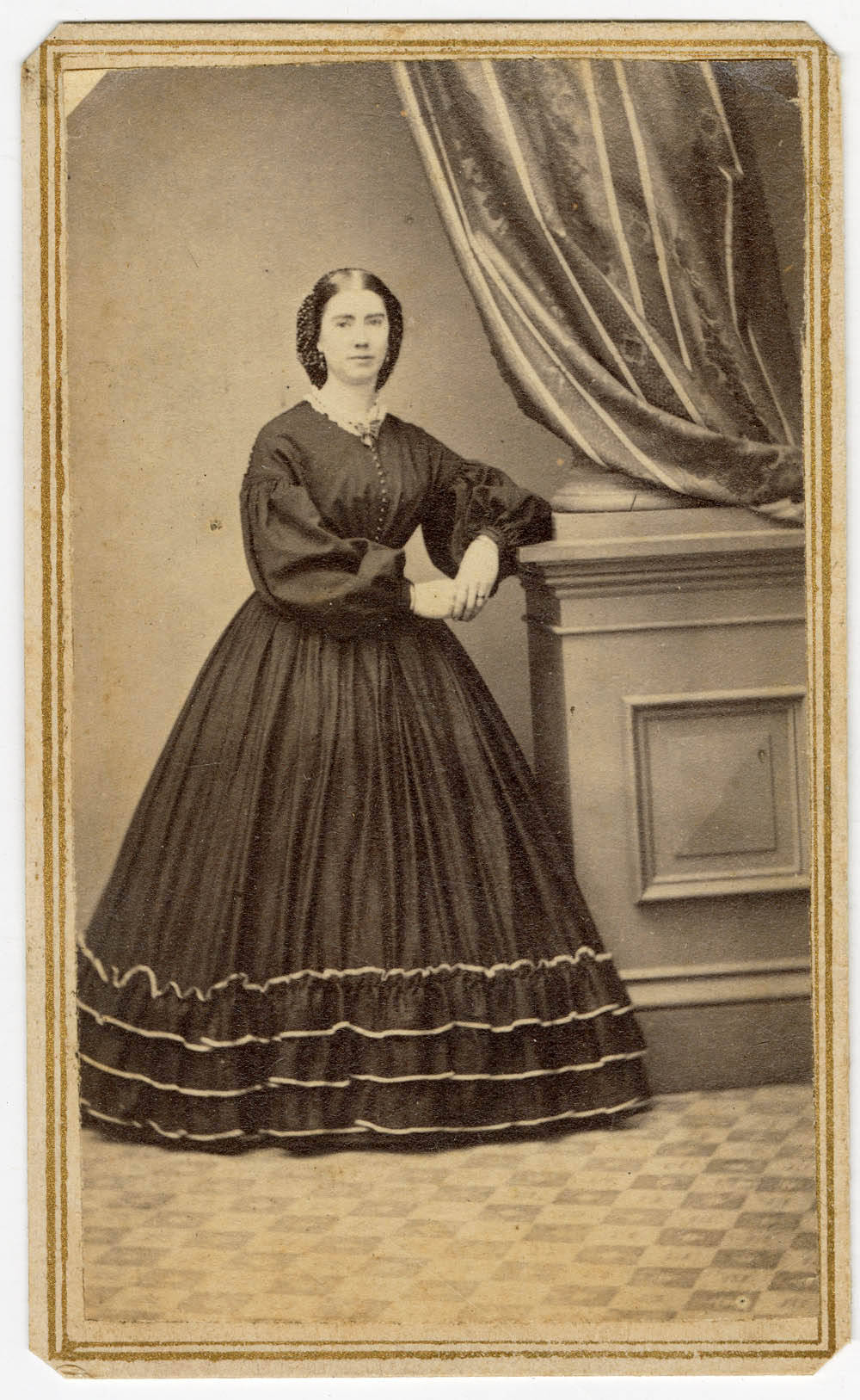
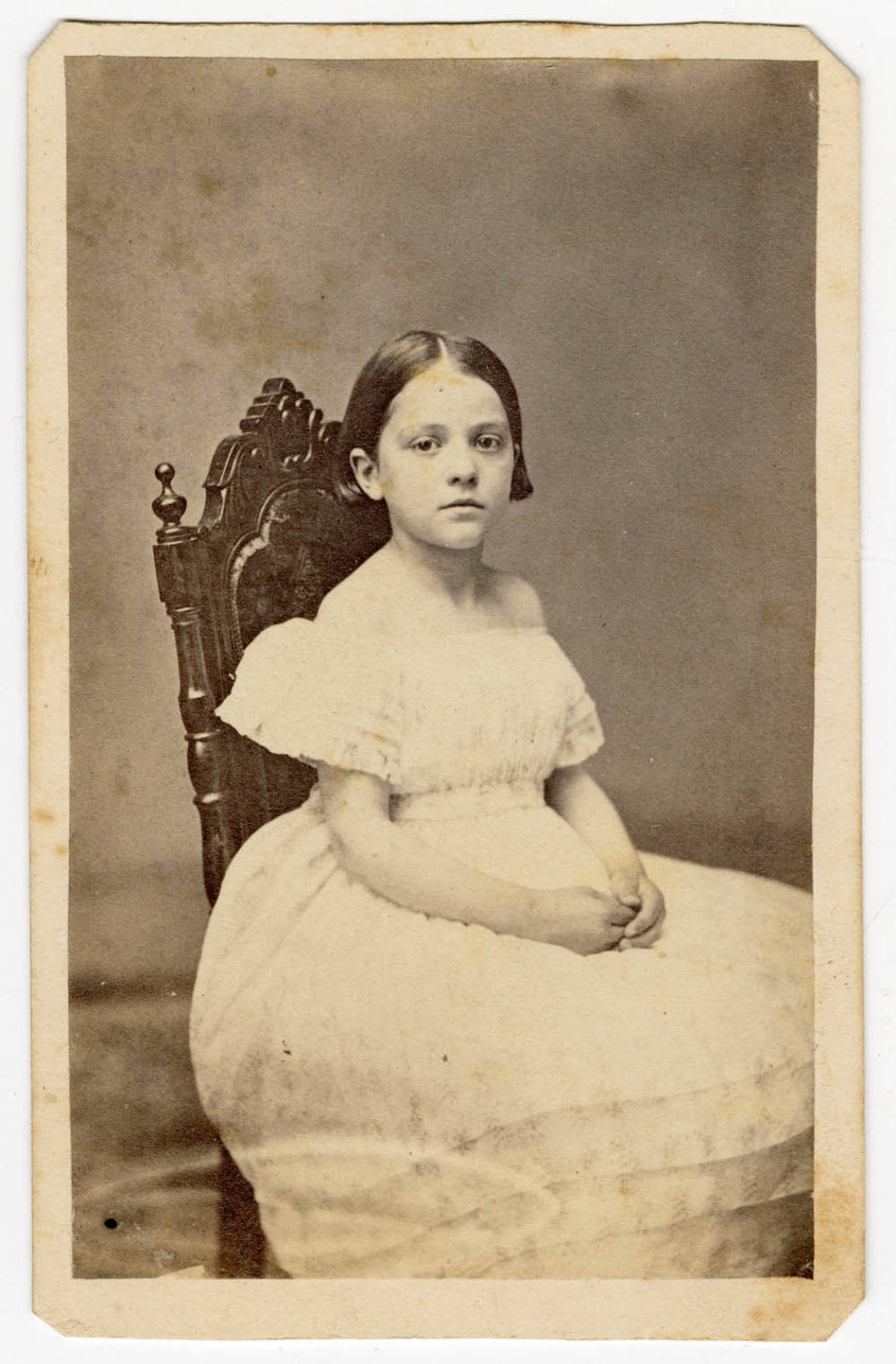
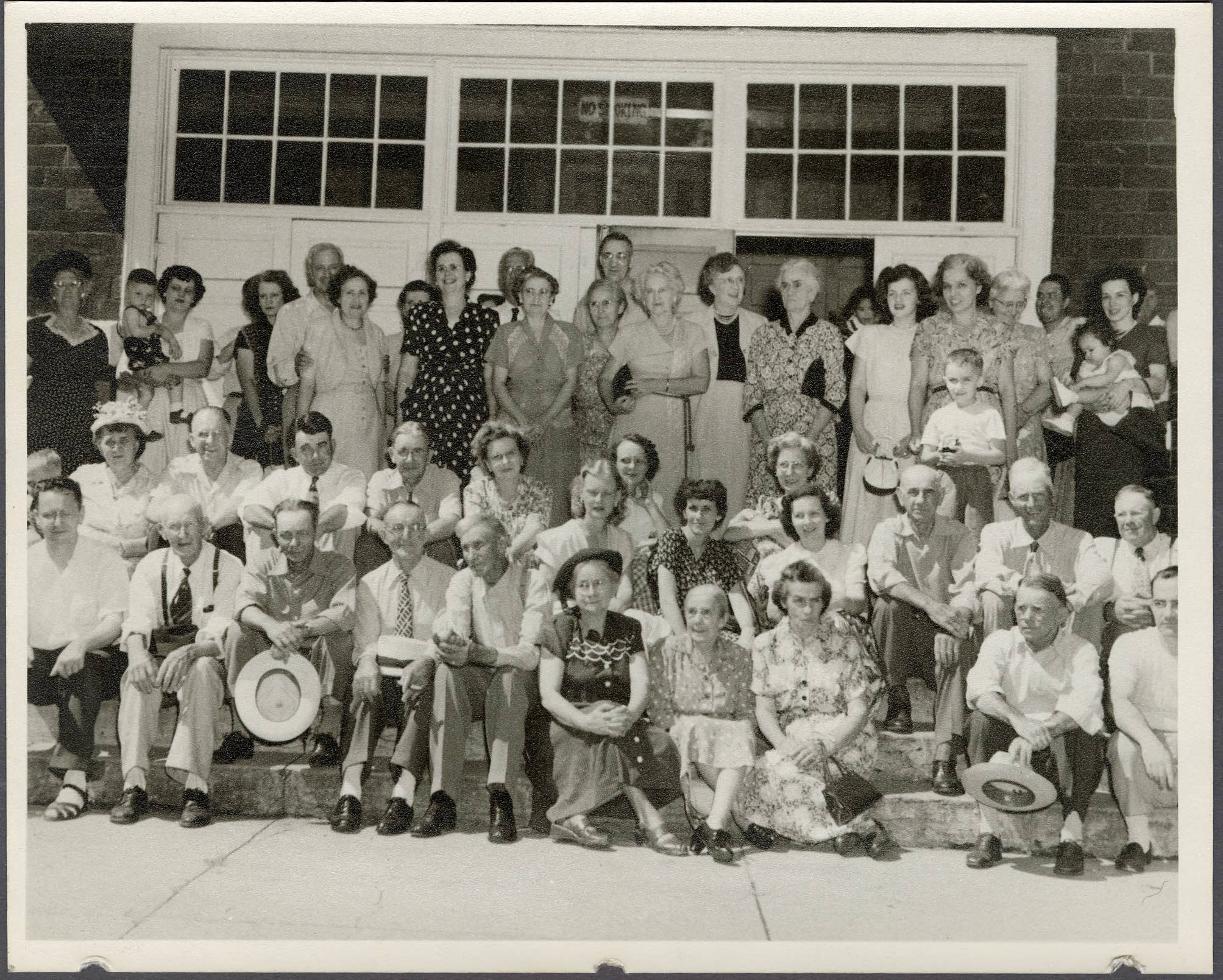
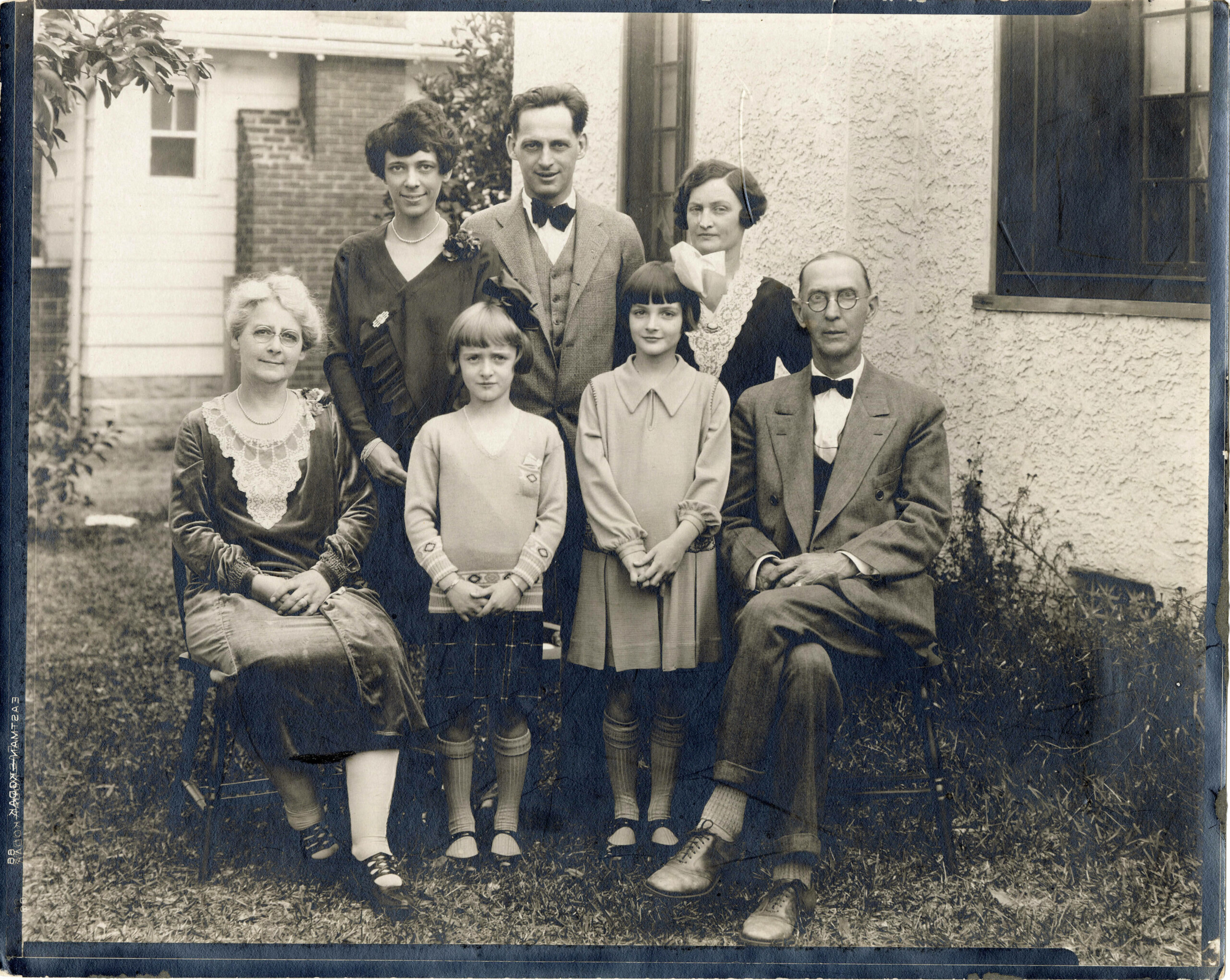
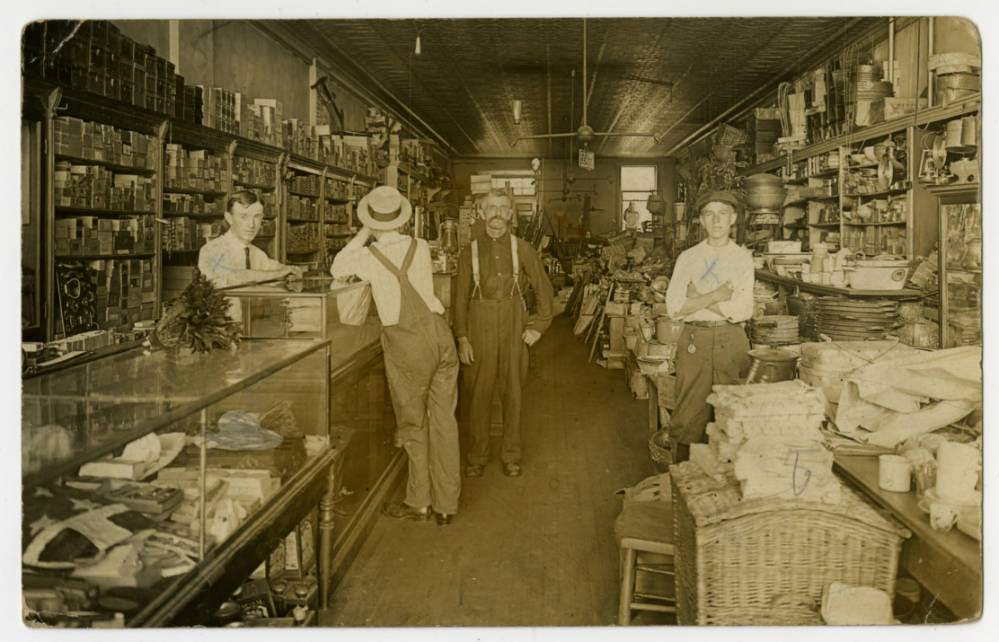
Family photographs cover a wide variety of subjects, from formal posed portraits to casual vacation snapshots. These images show not only what people looked like, but also how they dressed, where they lived and the sights they would have seen during their life.

Because of this, family photographs are wonderful research tools, whether they depict your family or people from a similar time period or geographic area. Especially once personal cameras became widespread, photographs show so much of ordinary life that was often not captured in other media.

Black and white photo of woman with child.

Family photographs like these show reunions, babies, family businesses and many other aspects of peoples’ everyday lives.

Black and white photo of people in front of a business.

Family photographs like these show reunions, babies, family businesses and many other aspects of peoples’ everyday lives.

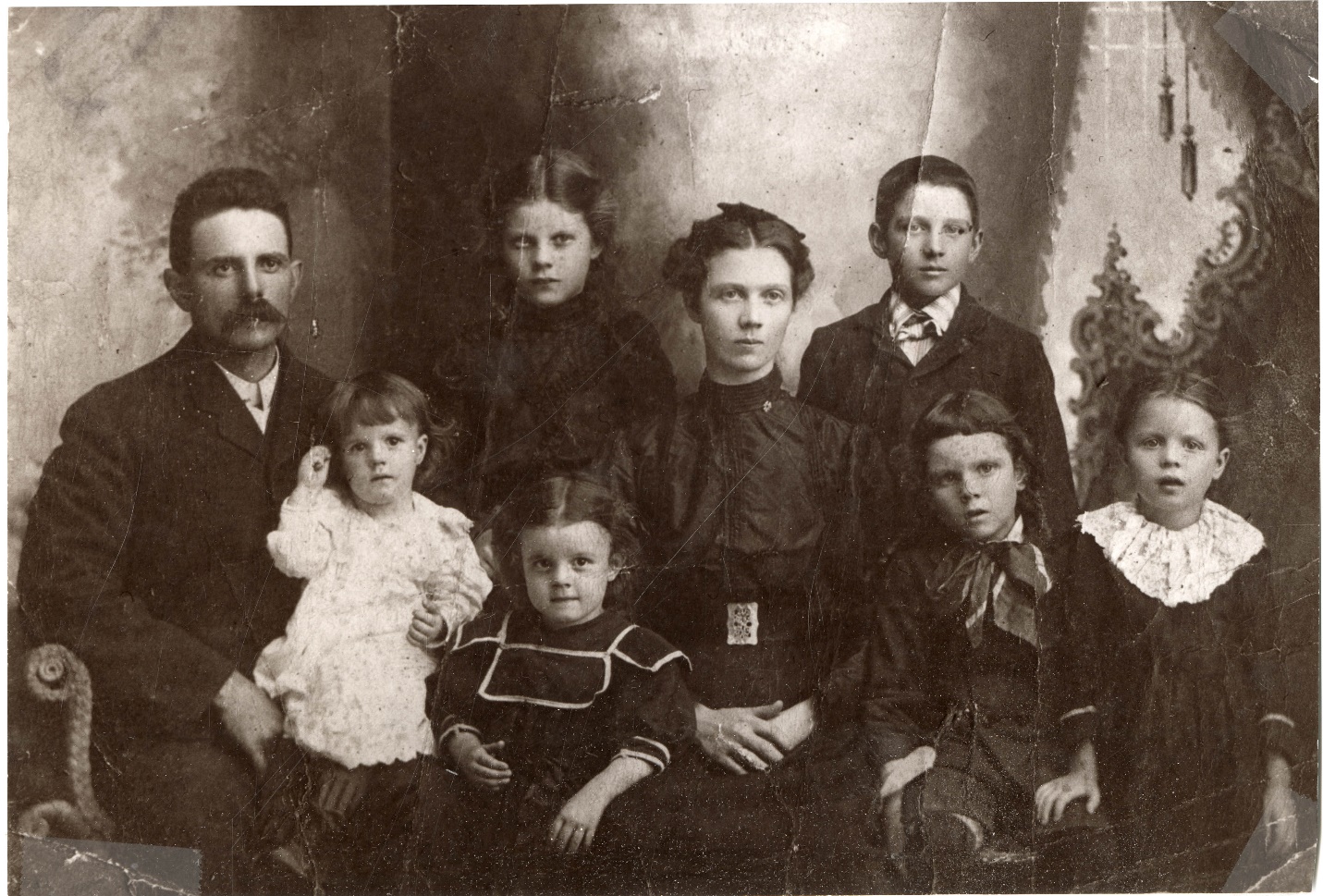
Black and white photo of large family.

Family photographs like these show reunions, babies, family businesses and many other aspects of peoples’ everyday lives.

Documents
Personal documents like letters and cards also show how people lived at a given point in time. Since letters were often used to connect family members living far apart from each other, they contain many details about the family and updates on local news and events. Letters may also give perspective to major historical events. In addition to letters, greeting cards are a fun way to experience the art and culture of the past just like the people who lived then did.

Scan of list of architects.

Documents like professional memberships, birth records and letters show various aspects of life in the past.

Scan of handwritten information.

Documents like professional memberships, birth records and letters show various aspects of life in the past.

Scan of handwritten journal page.

Documents like professional memberships, birth records and letters show various aspects of life in the past.

Official documents, such as government publications and vital records, provide information on individuals and in the aggregate that help document peoples’ lives and the world in which they lived. These documents may include birth and death information, details on historical events both big and small and local information that is not readily available elsewhere.

This blog post is by Jamie Dunn, Genealogy Division supervisor.

FamilySearch tips

FamilySearch is a free genealogy website that features records from around the world. While the exact records available vary by time period and geographic location, generally speaking, you can access vital records, wills, probates, land records, marriage records, religious records and more. With the addition of Full Text Search, FamilySearch now has a dizzying array of search options that are useful in different contexts. This blog post will help you know which one is right for your research.

Screen cap of FamilySearch’s seven search options.

FamilySearch’s seven search options.

Records
On the Records tab, you can search indexes created by FamilySearch indexers over the years. This search includes both full record sets, where you can see the record images, and indexes where the images are not available. This is one of the oldest search features in FamilySearch and it includes many of the core documents for genealogy research, such as federal censuses, marriage records and birth and death records. Only the names in records are indexed, not other text such as business names, addresses or religious terminology.

Screen cap of records search.

Records search allows you to search historical records from around the world.

Full Text Search
Full Text Search is FamilySearch’s newest search option. It has been available for experimental use for almost a year, but became a full feature in September 2025. Full Text Search uses AI and machine learning to transcribe handwritten documents, much like optical character recognition has been used to transcribe typed documents, such as newspapers. Because this is a new feature, most of the record sets are in English, but FamilySearch plans to add records in other languages as they improve and refine the search features. While some of the records indexed in Full Text Search are also in Records search, most are not. This opens up access to previously difficult record sets, because you can use keyword searching instead of having to browse records page by page. Because the indexing is done by machine, every word is indexed, not just the names of people. So, you can search for anything in the records, such as street addresses, business and organization names and specific legal or technical terminology.

Screencap of sample full text search.

Full Text Search lets you search entire records, not just indexed names.

Images
Images is not a true search feature, but it allows you to access unindexed record sets. Although FamilySearch’s volunteer indexers and Full Text Search have made great strides in making records searchable, FamilySearch still has vast swaths of records that are not searchable. Since you can’t search Images for people by name, you have to browse the image sets by geographic location to see what is available for the place you are researching. After choosing a location, you can narrow your results by record type and date range.

Screencap of sample image search.

Using Images, you can browse indexed and unindexed record sets by geographic location.

Family Tree
One of FamilySearch’s unique features is a shared family tree where users can connect their research with other people’s work. You can also search the tree to see what other researchers have found on the people you are researching. Since this is a shared tree, it’s always good to confirm the accuracy of the research that is presented, but this is a useful way to avoid duplicating efforts in your research.

Screencap of sample family tree search.

Family Tree shows others’ research as part of one big, interconnected tree.

Genealogies
The Genealogies search lets you search personal family trees and oral genealogies and histories that individuals have chosen to share with FamilySearch. Unlike the Family Tree, other users can’t edit these genealogies. But they are another way of sharing information and research with others.

Screencap of sample genealogy search.

Genealogies searches family trees and oral histories collected from around the world.

Catalog
Catalog search works similarly to Images. It allows you to browse FamilySearch’s holdings by geographic location. While Images mostly contains recently digitized record sets, Catalog contains the older materials that FamilySearch microfilmed between the 1930s and the 2010s. Although the film has been digitized and is accessible to researchers, it often has not been indexed so you will need to look page by page through the records to find what you are looking for.

Screencap of sample catalog search.

Catalog lets you browse records by geographic location.

Books
FamilySearch has digitized a large number of books and periodicals from the FamilySearch Library in Salt Lake City as well as from genealogy libraries around the world. These books are fully searchable and you can also download PDF copies to your device. While some books are not available outside of the FamilySearch Library, most can be accessed at home, making research even more convenient.

Screencap of sample books search.

Books searches full text genealogy books from libraries around the world.

Accessing FamilySearch
FamilySearch is free to use and accessible from anywhere. However, some record sets are available only at Family History Centers and FamilySearch Affiliate Libraries. Fortunately, the Indiana State Library is a FamilySearch Affiliate Library and you can access everything FamilySearch has to offer through any of our public computers.

This blog post is by Jamie Dunn, Genealogy Division supervisor.

Helen Eaton Jacoby collection

A recently processed collection at the Indiana State Library from Helen Eaton Jacoby contains not only research and correspondence, but numerous interesting and well-composed photographs documenting both the Eaton, Jacoby and other related families and their descendants in the United States. Most photographs are of individuals or family groups, but there are several photographs that document the places where their families lived and worked. A selection of these photos were digitized and are available on the Indiana State Library’s digital collections page.

Helen Eaton Jacoby was born May 28, 1888, in Indianapolis, to Elias and Julia Eaton Jacoby. Her parents were both from Ohio and met each other at Ohio Wesleyan University.

Elias Jay Jacoby graduated from Ohio Wesleyan University in 1884 and came to Indianapolis to be the assistant of Charles W. Fairbanks. Elias was an attorney for several railroad companies. He also was the attorney and director of the Railroadmen’s Building and Saving Association and, by 1931, he was elected the president and named to the board of directors. Elias J. Jacoby was the potentate of the Murat Shriners from 1907 to 1912. He helped oversee the construction of the Shrine in 1909.

The Indianapolis News, Dec. 23, 1922.

Julia Lillian Eaton graduated Ohio Wesleyan in 1884 and taught painting and music. Her voice and paintings were complimented several times in the Indianapolis papers.

Helen E. Jacoby graduated from Charles E. Emmerich Manuel Training High School in June 1905. While in high school she also took art classes at the Herron Art Institute. One of her instructors at Manual was Otto Stark who also taught a summer course at Herron.

Helen attended the University of Chicago, graduating in winter of 1909 with a degree in Art. She later took classes at the Pratt institute. She enjoyed art and design and entered her works in several local and regional exhibitions. Helen also designed the murals in the Egyptian Room, a 1922 addition to the Murat Shrine in Indianapolis. Her father Elias J. Jacoby was the potentate of the Murat Shriners from 1907 to 1912. He helped oversee the construction of the Shrine in 1909.

A birthday gift to Fidelia Anderson is one example of her work. Inside the book is a letter of appreciation with drawings of flowers she was familiar with. She also inserts fanciful illustrations of insects and fairies into the book.

Helen Eaton Jacoby card with letter to Fidelia Anderson. Indiana State Library digital collections.

Helen was a member of many clubs and organizations, including the Daughters of the American Revolution and the Fortnightly Club, both organizations to which her mother also belonged.

The Eaton and Jacoby families were both interested in their families’ genealogy and history. Elias and Helen would correspond with relatives – and possible relatives – to see what information they could provide on their shared ancestors and other family members. They would also travel to visit relatives and the places their ancestors once resided.

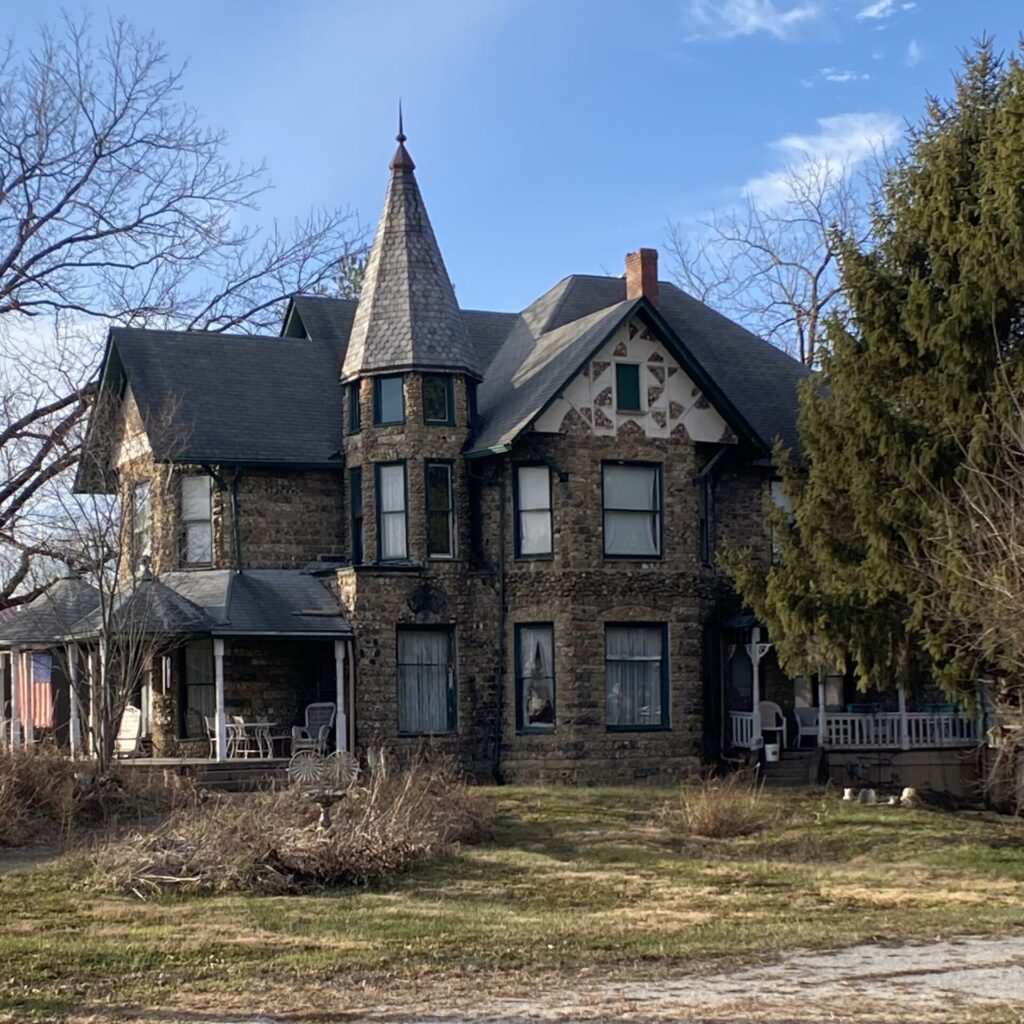
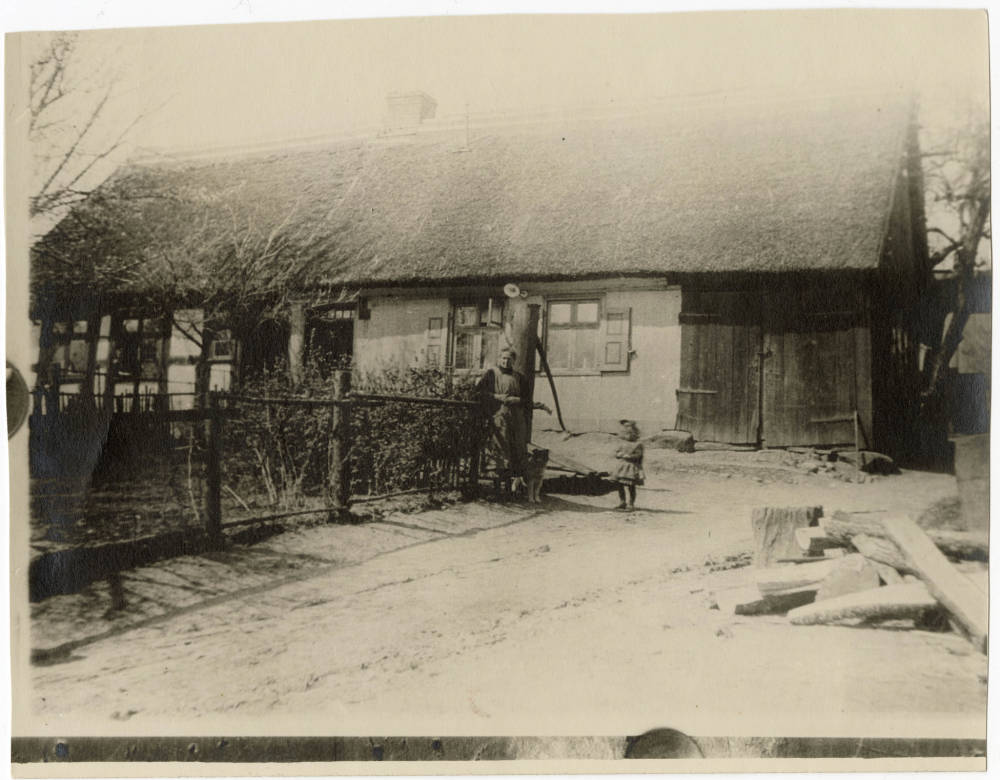
In a series of photos from 1922 and 1925, the family documents the parcels of land in Schuylkill County, Pennsylvania that their ancestor John Jacoby once owned. The well composed images show both the land and the older buildings possibly built by John. They also took pictures of the current farm on the property along with the wife of the current owner.

Old homestead of John Jacoby. Indiana State Library digital collections.

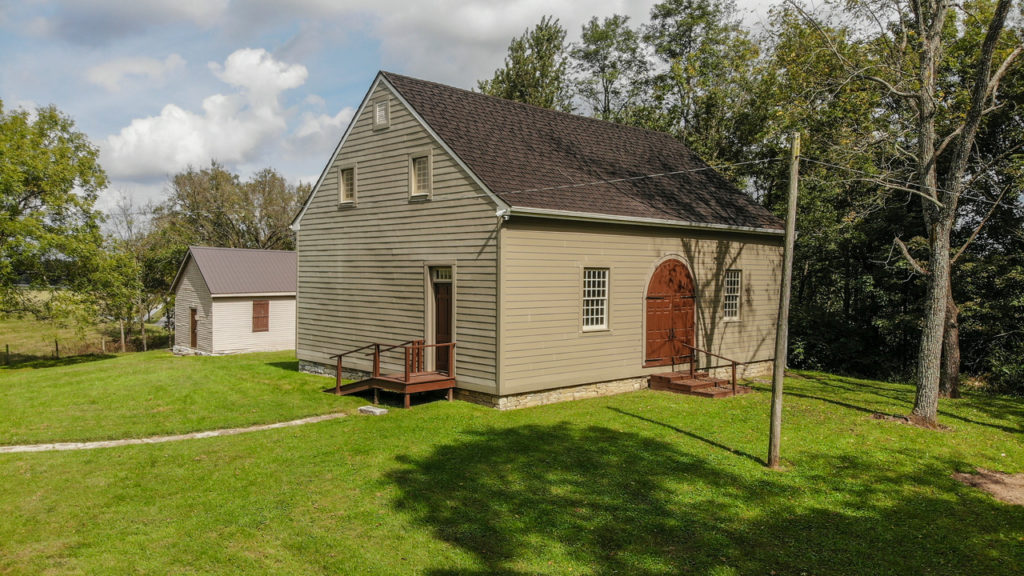
On one of their visits to Pennsylvania, they photographed part of the town of Summit Station and the nearby area of Summer Hill. One of the images taken in Summer Hill is of a Union church that burned down a year after the photograph was taken.

Summer Hill. Indiana State Library digital collections.

Summit Station. Indiana State Library digital collection.

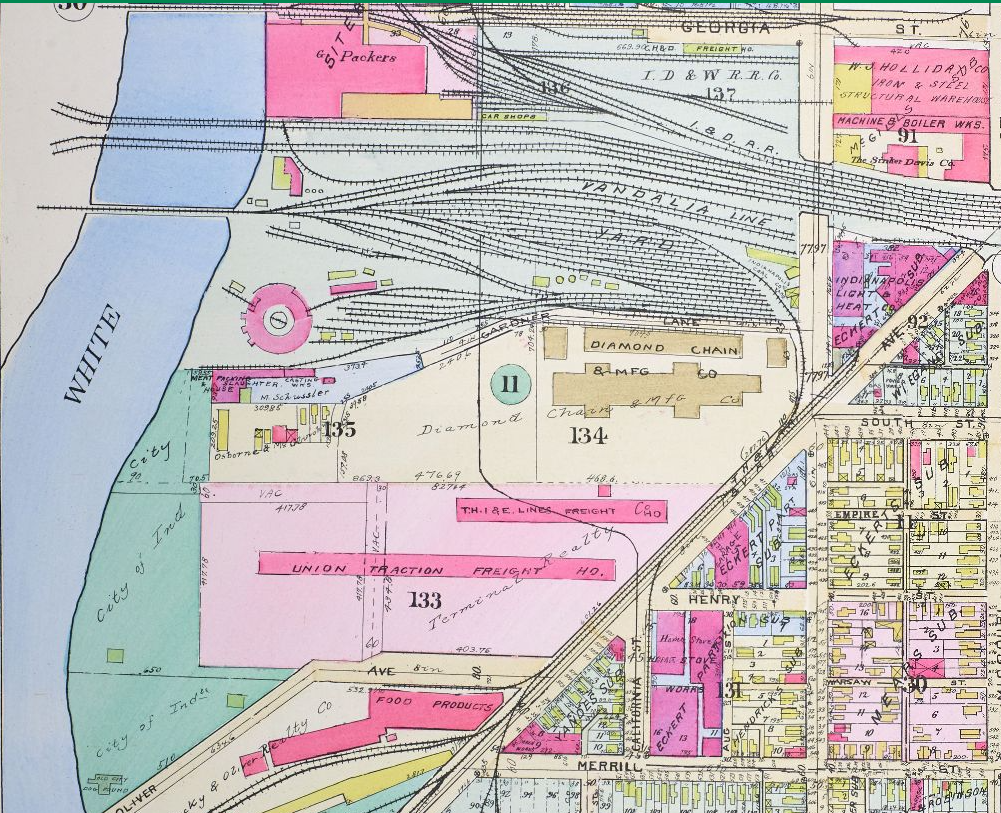
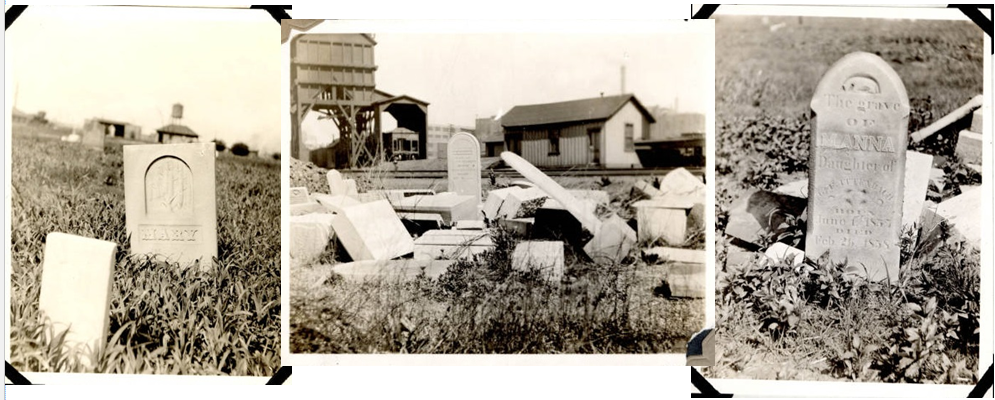
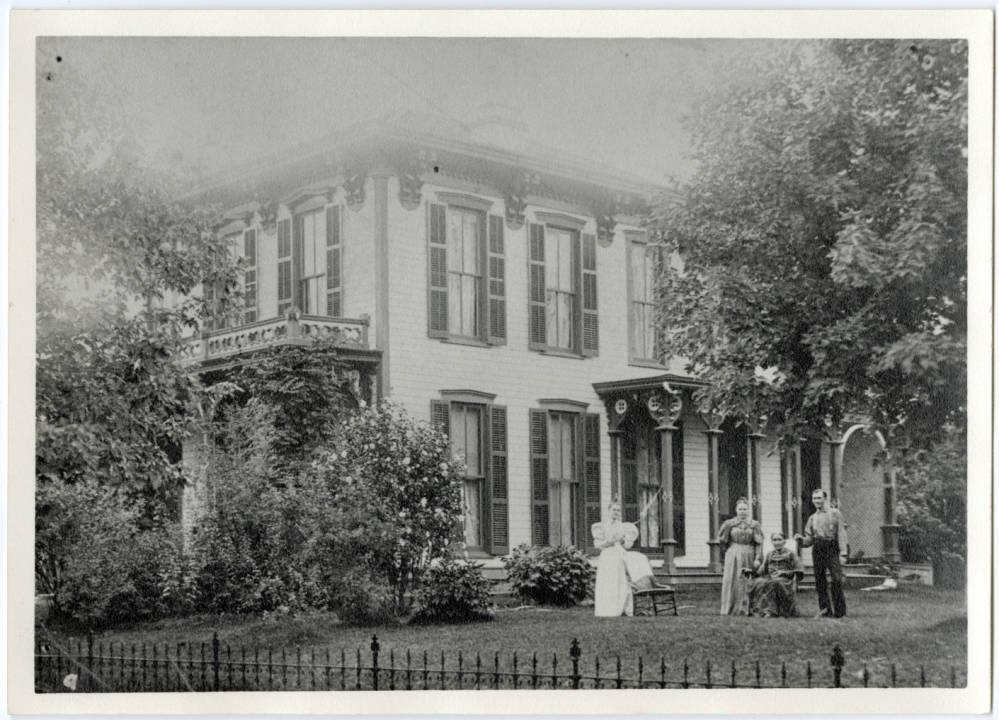
They traveled back often to Ohio to visit family, and while there they documented the homes of family members and the places they worshiped and were buried. The images of the home of James Eaton in Delaware County, Ohio, along with the burial of the Eaton and Caulkins families, are significant because both the houses and original burial sites were lost to the creation of a reservoir in the 1970s.

James Eaton home. Indiana State Library digital collections.

Caulkins family tombstones. Indiana State Library digital collections.

Eaton family tombstones. Indiana State Library digital collections.

Eaton family tombstones. Indiana State Library digital collections.

The home of Michael Jacoby, located in Marion County, Ohio, may have survived, as there is still a similar shaped home on the same site as the original, but the landscape of the surrounding area has changed due to the subdivision of property as the farmland was sold off and outbuildings were removed.

Michael Jacoby farm and Riverside cemetery. Indiana State Library digital collection.

In June of 1940, Helen Jacoby married Harold W. Evard. When he died later that year, she adopted her stepchildren and raised them. Helen J. Evard died in 1967 at the age of 79 in Indianapolis.

If you would like to see more from the collection, please visit the Indiana State Library’s  digital collection site, or visit the Genealogy Division in the Indiana State Library, located at 315 W. Ohio St. in downtown Indianapolis.

Blog written by Sarah Pfundstein, genealogy librarian, Indiana State Library. For more information, contact the Indiana State Library at 317-232-3689 or “Ask-A-Librarian.”

Genealogy for Night Owls returns to the Indiana State Library on May 21

The Indiana State Library is once again hosting its popular Genealogy for Night Owls event on Wednesday, May 21, from 4:30-8 p.m.

The after-hours research event at the State Library will feature a library tour, a presentation on unique items in the library’s collections and Ask-an-Expert sessions with representatives from various local historical, genealogical and lineage organizations.

The schedule is as follows:

  • 5:10 p.m. – Library tour.
  • 5:30 p.m. – Presentation – “Unique Items from the Library Collections.”
  • 5:45 p.m. – Ask-an-Expert sessions begin.
  • 7 p.m. – Ask-an-Expert sessions end.
  • 8 p.m. – Program conclusion.

The tour and Ask-an-Expert sessions are optional. Attendees may spend the entire evening conducting their own research if they prefer. The Ask-an-Expert sessions are 15 minutes in length. Attendees should have questions prepared in advance. The library tour is roughly 20 minutes in length and will cover materials available for genealogy researchers at the Indiana State Library.

Genealogy Division librarians will be on hand to answer questions about the collection. They will also answer research and reference questions and assist in locating materials. The second floor microfilm area will be open and staffed by librarians from the Indiana Division. The Rare Books and Manuscripts and Reference Divisions will not be open during Genealogy for Night Owls. Librarians will not be able to retrieve manuscript collections during this event.

Registration is free and required. Click here to register.
The Indiana State Library is located at 315. W. Ohio St. in downtown Indianapolis.

Please contact Jamie Dunn, Genealogy Division supervisor at the Indiana State Library, with any questions.

This blog post was submitted by Michelle Sharp, collections and outreach manager at the Indiana State Library.

Probate records as a genealogy tool

Probate and will records are important in genealogy because they can contain information that cannot be found in any other source. They can be more difficult to navigate than census or vital records, but they can be valuable, especially to anyone looking to glean more information about family relationships. Below is an example of a probate record that gives many specific details. It lists the full names of the deceased man’s surviving children as well as those of his grandchildren whose parent had already died. Several of the children listed never appear on a census record with their father as any federal census prior to 1850 only listed the head of household.
Robert Burnett probate record, Probate Record C, page 374, Fayette County Ohio, 1878.
In the example below, the probate record of Catharine Wall lists her children as Patrick Wall, Margaret Toban, Mary Gore and Ellen Hoban. This is the only record that links the four as siblings, because they never appear on a census record together and marriage records for the sisters, which would list their maiden names, cannot be located.

Catharine Wall probate estate case file, Washtenaw County, Michigan, 1870.

The record below contains the 1820 testimony of Fanny Shaw regarding her husband John, giving a brief biography and listing his heirs, including his daughter, Elizabeth. It also gives the full name of his first wife, Jane Jones. This information is particularly valuable in a period in which women were less commonly found in records.

Fanny Shaw affidavit, Order Book, 1818-1831, Shelby County, Kentucky, 1820.

Until recently, probate records were not always indexed and could require looking through many pages. However, FamilySearch’s new full-text capability has made searching through these types of records much easier. Learn more about this new function here.

This post was written by Laura Williams, genealogy librarian at the Indiana State Library.

Discover the wonders of the Indiana State Library

Have you ever wondered what treasures lie within the walls of the Indiana State Library? From interactive tours to diving deep into the state’s rich history, there’s something for everyone. Here’s a list of activities that will make your visit both fun and enlightening:

Clifford The Big Red Dog’s house

Families with young children will love visiting Clifford The Big Red Dog’s house in our Indiana Young Readers Center. It’s a delightful spot for kids to engage with their favorite storybook character. Did you know that Clifford the Big Red Dog’s adventures started right here in Indiana? Norman Bridwell, the creative genius behind this iconic tale, hailed from Kokomo.

Trace your ancestry
Are you interested in genealogy? Our Genealogy Division offers resources to help you trace your family tree and discover your ancestry. Who knows what you might discover about your past! If you’re new to genealogy or just starting out, don’t worry – we have you covered with our comprehensive genealogy FAQs.

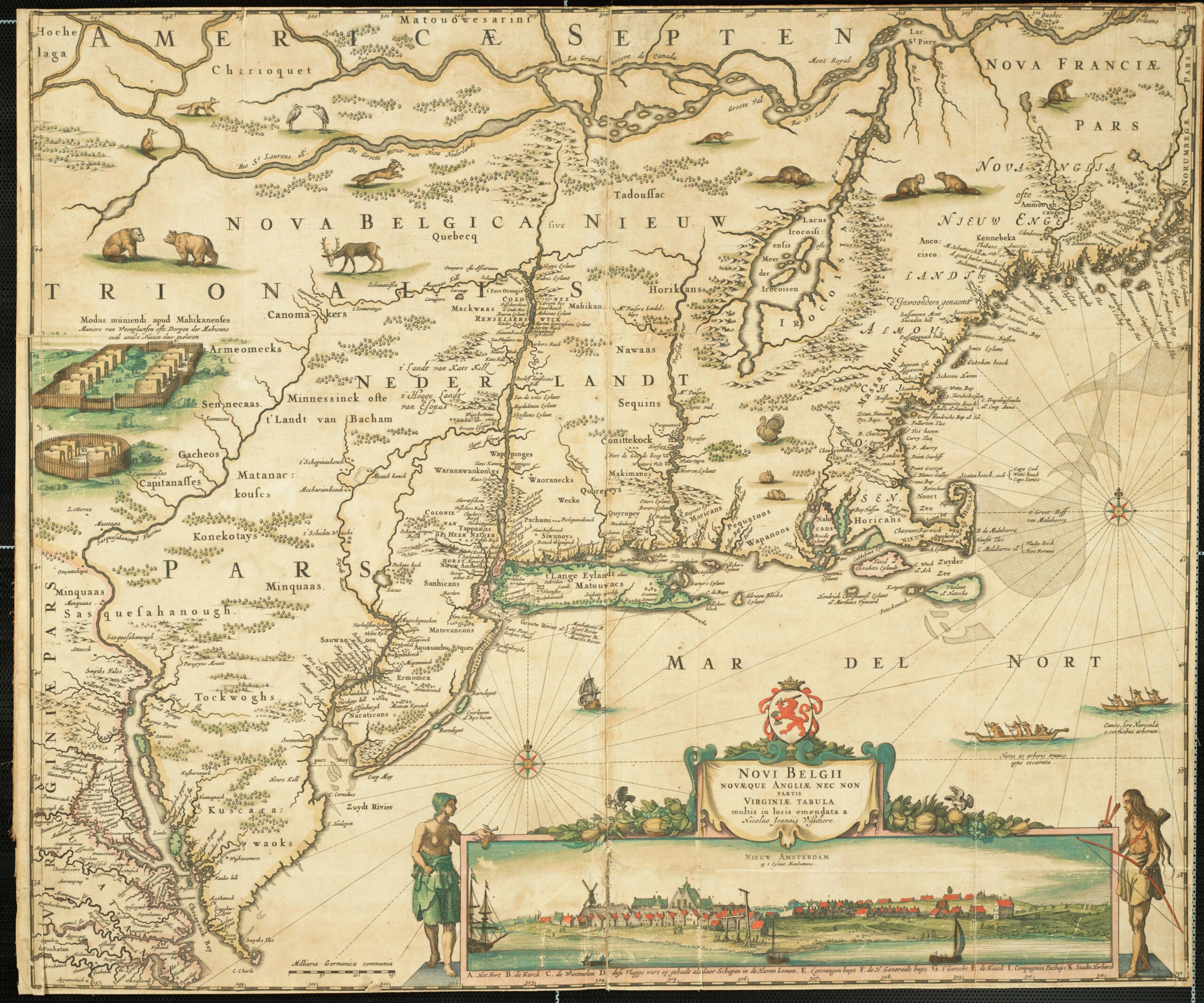
Image credit: Map Collection, Indiana Division, Indiana State Library.

Learn about Indiana history
Dive into the rich history of Indiana with our extensive collection of historical documents, photographs and maps. Whether you’re a history buff or a curious mind, there’s plenty to explore. One of my favorite things to do is browse our online digital collection or search Hoosier State Chronicles, which contains 186,601 newspaper issues comprising 1,589,638 pages and 619,771 articles!

Explore maps, rare books, manuscripts and exhibits

Our library boasts an impressive collection of maps, rare books, manuscripts and rotating exhibits. Each visit can reveal new and intriguing finds. This year, to celebrate our bicentennial, a significant portion of our exhibit space will be dedicated to showcasing items from our collection. Don’t forget to check out our virtual exhibits online from the comfort of your home!

Learn about our State Data Center

Discover a wealth of information available at our State Data Center. It’s the perfect place for researchers and anyone looking to delve into data and statistics about Indiana. One of our State Data Center Director’s favorite resources is the original volumes of each U.S. Census return, located on the second floor of the library. These allow you to look at the original censuses from 1790 through 1870 and cover the entire United States. Indiana is covered starting in the 1810 volume (Indiana Territory).

Don’t forget to check out the DataPoint Newsletter, created for Indiana Data Users and subscribe for the latest Indiana Data news and lore, plus learn about professional development opportunities for data and GIS professionals.

Visit the Indiana Historical Bureau
Stop by the Indiana Historical Bureau, located inside the Indiana State Library, to learn about the Indiana Historical Marker Program and how it commemorates significant historical sites throughout the state. This year, some of the markers they will be dedicating include William P. Jungclaus, Riley Hospital for Children, Bess Sheehan and the Piankashaw Tribe. Don’t forget to check out their podcast Talking Hoosier History and their blog Untold Indiana.

Attend programs and conferences
We host a variety of programs and conferences throughout the year. From author talks to educational workshops, there’s always something interesting happening at the library. Check out our library calendar to see our upcoming events.

Whether you’re a student, researcher or just someone with a thirst for knowledge, the Indiana State Library has something to offer. Your Indiana State Library is free and open to the public, so plan your visit today and discover the many wonders waiting for you!

This blog post was submitted by Michelle Sharp, collections and outreach manager at the Indiana State Library.

New technology opens up vast world of records through FamilySearch

In 2023, FamilySearch debuted a new feature for researchers: Full-Text Search. Using handwriting recognition technology, FamilySearch is indexing and making searchable massive numbers of records that were unindexed and difficult to navigate before now.

At this time, Full-Text Search includes over 4,500 record sets from all seven continents (yes, including Antarctica). FamilySearch continues to add new record sets and to expand the number of records in currently indexed sets.

Indiana records currently included in Full-Text Search.

To access Full-Text Search, you will need a free FamilySearch account, which you can create at www.familysearch.org. Once you have an account, visit the FamilySearch Labs page to join Full-Text Search. Since it is currently in testing, it’s not part of the regular FamilySearch search experience. After joining, you can use Full-Text Search to search for any person, place, business or keyword.

FamilySearch Full-Text Search main page.

So how does it all work? Let’s look at an example. Suppose we are researching the Sipple family of Tippecanoe County, Indiana.

We start by searching for the surname Sipple. We can either limit our search to Tippecanoe County from the beginning using the location field, or we can filter our results after we search. In this example, we’re going to use the filters.

Search results.

Full-Text Search gives us 62 results for people named Sipple in Tippecanoe County. Looking at the Record Type filter, we can see there are Legal Records, Vital Records, Business Records and Government Records. Each of those can be further filtered by subtype. For example Vital Records may include birth, marriage and death records, depending on the place you’re researching. You can also filter your results by decade using the Year filter and by FamilySearch collection using the Collection filter.

Tippecanoe County General Index of Deeds, Volume 135: 1849-1970.

Let’s look at this deed index from Tippecanoe County. For this county, FamilySearch has only the deed indexes. For other counties and places, they often have the full deed records as well. You may also find other text-heavy records such as wills, probates, court records and more.

The name we searched is highlighted on the page so we can see where the relevant record is. There’s also a transcription of the records on the right, with our search terms highlighted. As you can see, there’s some unclear transcriptions here. Because handwriting can be so highly variable, the transcriptions are not always perfect, but they are usually quite good.

Once we have looked at the record to make sure it’s what we want, we can download the record as a PDF or JPG and have citations automatically included. We can also attach the record to the relevant person on the FamilySearch Tree.

Search results for Smith in Knox County, Indiana at home.

Search results for Smith in Knox County, Indiana at the Indiana State Library.

One thing to note about Full-Text Search is that although FamilySearch is freely accessible at home, there may be records that you cannot access just anywhere. Due to contractual restrictions, some records are available only at FamilySearch Centers and FamilySearch Affiliate Libraries. Fortunately, the Indiana State Library is an Affiliate Library and we have access to thousands of additional records compared to at-home users. To find a FamilySearch Center or Affiliate Library near you, visit the Find a FamilySearch Location page.

The examples given here all cover Indiana, but Full-Text Search includes records from across the United States and around the world. Records that previously had to be accessed page-by-page are now fully searchable and ready for researchers to make new discoveries about their families.

This blog post is by Jamie Dunn, Genealogy Division supervisor.

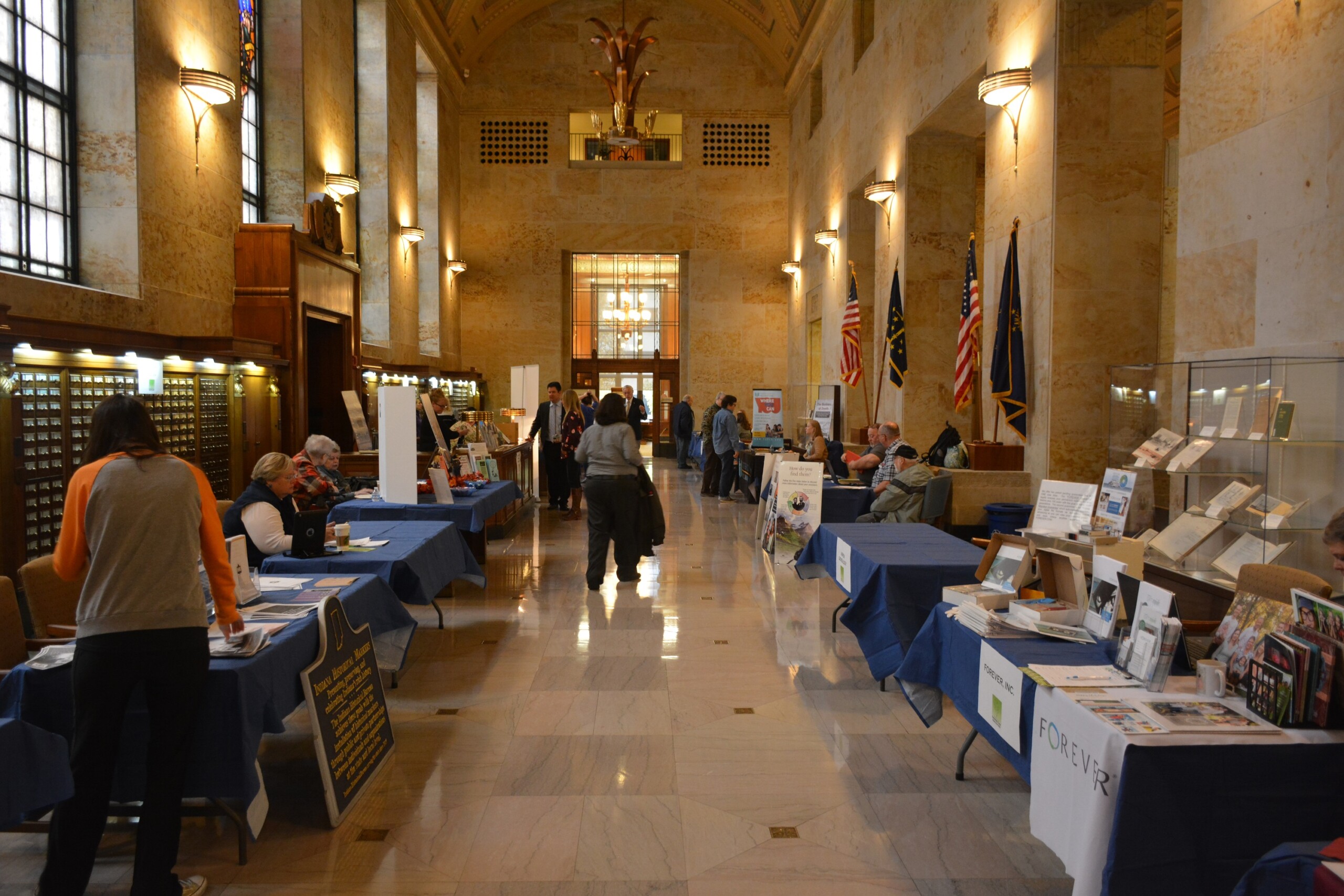
2024 Genealogy and Local History Fair recap

On Oct. 26, genealogists and historians, as well as representatives from historical organizations, lineage societies and genealogical societies, visited the Indiana State Library to attend the biennial Genealogy and Local History Fair!

This year’s theme was “At the Crossroads of America: Westward Migration and Family History” where we looked at migration routes across the United States and how and where people traveled after they arrived in America.

Our speakers were professional genealogists and lecturers Annette Burke Lyttle and Eleanor Brinsko. Burke Lyttle presented “The National Road: America’s First Federal Highway” examining the route that took settlers from Maryland to Illinois and helped open up the Midwest. The National Road, known as Washington Street in Indianapolis, traces through the heart of downtown just two blocks from the library, so this topic was of particular local interest. Burke Lyttle also presented “How Advertising Brought Our Ancestors to the Midwest,” which looked at the many forms of marketing that were used to attract new settlers both from the East and from Europe.

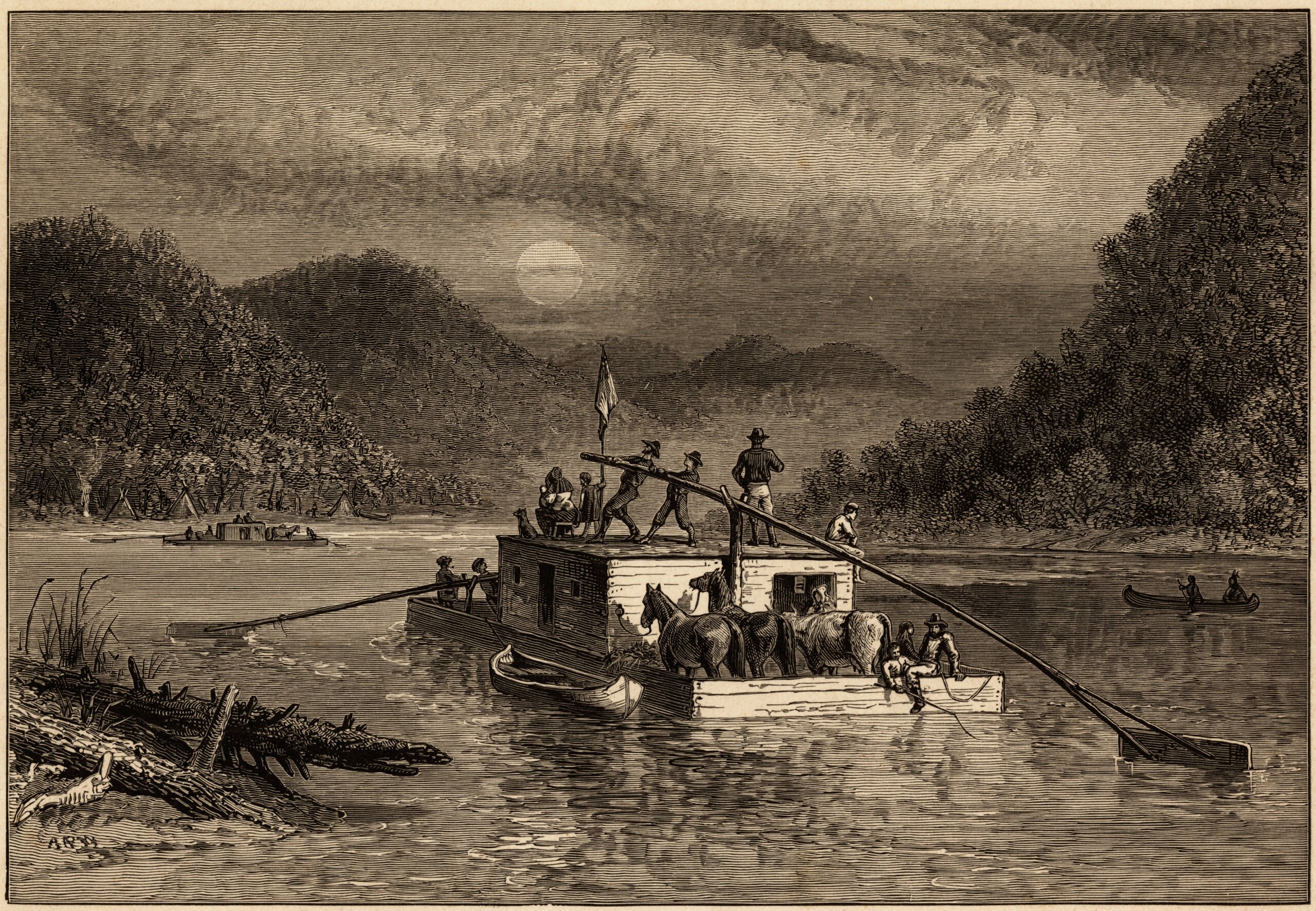
Brinsko presented “Westward Ho: Migration Methods of the United States” exploring how people moved across the country and how the travel methods available to them influenced where they chose to go. Regardless of the time period, travel across the United States was often difficult and dangerous, and it was impressive to learn about the things our ancestors faced as they sought a place to live.

The Genealogy and Local History Fair will return on Oct. 24, 2026. We hope to see you there!

This blog post is by Jamie Dunn, Genealogy Division supervisor.