Let’s go on a genealogy road trip!

Summertime is the time for road trips, and if you are lucky enough to live in the state of Indiana you are surrounded by excellent institutions for genealogy research – so, let’s go on a genealogy road trip!

Screen grab of road trip map.

Day one: Newberry Library
Starting in Chicago, the first stop is at the Newberry Library, located at 60 W. Walton St. The Newberry Library is an independent research library, and genealogy is one of library’s core subjects. The Newberry Library is particularly helpful when working on Chicagoland genealogy. To use this library, you will first need to get a Reader’s Card, this can be started online or applied for in-person the day of your visit. The reader’s card allows you to request items to be brought to you in a reading room for examination. You should start your visit at the Herget Welcome Center on the first floor of the library.

Day two: Allen County Public Library Genealogy Center
Three-and-half-hours to the east of Chicago is the Allen County Public Library Genealogy Center, located at 900 Library Plaza in Fort Wayne, Indiana. The Center is home to the largest genealogy collection available in a public library. The Center has a robust collection of North American materials, British Isles materials and over 50,000 family histories. Visit Fort Wayne has provided an excellent guide for visiting the Allen County Public Library Genealogy Center.

Days three and four: The Hoosier History Triangle

Map of downtown Indianapolis.

When the Indiana State Archives finishes its move later this year, genealogists will be able to visit the Hoosier History Triangle in Indianapolis.

The Indiana State Library is located at 315 W. Ohio St. in downtown Indianapolis. Though the earliest family history book was acquired in the 1890s, the Genealogy Division of the Indiana State Library did not open as its own division until 1934. The Genealogy Division has a healthy collection of over 40,000 print items. The emphasis of the collection is on Indiana and bordering states, as well as eastern and southern states.

The Indiana Division of the Indiana State Library complements genealogy research with its collection of Indiana newspapers, Indiana county histories, Indiana maps, and Indiana city directories. To prepare for your trip to the Indiana State Library, start at the home page for information on hours, directions, and parking.

The Indiana State Archives building is located at 350 W. Ohio St. in Indianapolis, directly across the street from the Indiana State Library. The Indiana State Archives protects and provides access to documents for the state of Indiana, this includes records from various Indiana counties; and lucky you, you can use these documents for genealogy research! Highlights of the collection include naturalization records for 81 of Indiana’s 92 counties, discharge certificates for World War II, some older civil order books for Indiana counties and records for Indiana institutions. Before visiting the Archives, start with the information page for hours and reading room policies, then visit the Archives Holdings page for indexes, the catalog and finding aids – do not miss the Collections By Subject Area found on the same page. Appointments are highly encouraged so that records can be retrieved prior to your visit. Please note that the reading room and research collection will be closed at the Archives current location of 6440 E. 30th St. location until the Archives move to its new location.

The Indiana Historical Society’s William Henry Smith Memorial Library is located at 450 W. Ohio St. in Indianapolis in the Indiana Historical Society building, directly across the canal from the Indiana Archives building. Using the Indiana Historical Library’s collection of more than 45,000 printed items, thousands of manuscript collections and 1.7 million photographs will help you fill out the social history your ancestor lived in. Highlights of the collection include church records and family papers. The Using Our Library page will help prepare for your visit to the library.

Day five: John Hay Center Genealogical Research Library
The John Hay Center Genealogical Research Library is located at 307 E. Market St. in Salem, Indiana. The John Hay Center Genealogical Research Library is the research library of the Washington County Historical Society and has a collection of Washington County records dating back to the 19th century. Non-member visitors to the library may have access by paying fees starting at $5. Before your visit, view the Genealogical Research Library page. The John Hay Center hours are Thursdays, Fridays and Saturdays for 10 a.m.-5 p.m. However, I would suggest contacting the library to confirm your visit.

Interested in other county genealogical libraries? Use the Indiana Counties Page provided by the Indiana Genealogical Society to plan future road trips!

Day six: Cincinnati and Hamilton County Public Library
The Cincinnati and Hamilton County Public Library is located at 800 Vine St. in Cincinnati. The Cincinnati and Hamilton County Public Library’s Genealogy & Local History Department houses one of the largest and oldest genealogy collections in the nation, with more than 100,000 books,1,500 periodicals and 12,000 family histories. Many Hoosier ancestors have connections to the Ohio River port of Cincinnati, and this library is the place to explore those connections. Before your visit, explore the Genealogy and Local History Department page – don’t forget to click on the “visit us in person” link.

Do you have Kentucky ancestors? Take a side trip to these locations:

Picture of the Genealogy Center at Allen County Public Library.

The Genealogy Center at the Allen County Public Library.

Prepare for your genealogy road trip

  • Explore the library websites of the places you plan on visiting.
  • Find out ahead of your trip about parking, fees, hours (including unexpected closures) and special rules.
  • Search online catalogs before your visit.
  • Have a research plan for the library you are visiting.
  • Bring the family files and family notes you will need for your research.
  • Try to focus your research time on those materials you can only access at that particular library.
  • Take a walk around the research area to familiarize yourself as to how the materials are organized.
  • Bring your research tools: flash drives, notebooks, pencils/pens/highlighters.
  • Ask questions of the librarians.

This blog post is by Angi Porter, Genealogy Division librarian.

For More Information:
Getting the Most out of a Library Visit
Planning to Visit an Archive

Books from the Indiana State Library:
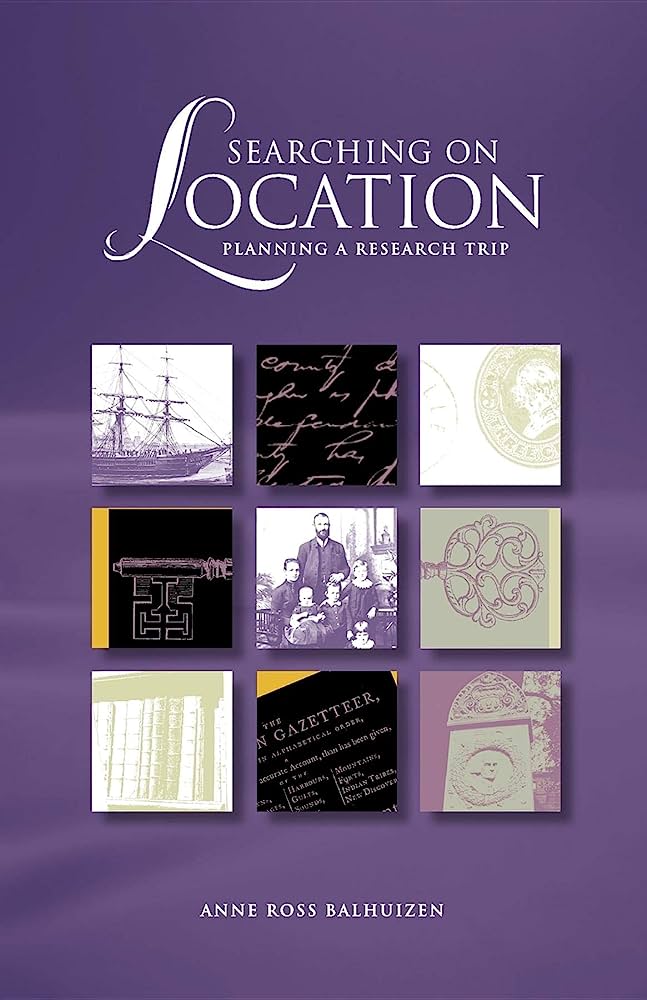
“Searching on Location: Planning a Research Trip.” Call number:
ISLG 929 B185S
“Research Like a Pro: A Genealogist’s Guide.” Call number: ISLG 929 E375RE

Walking in your ancestors’ footsteps – Genealogy road trip tips

While doing genealogy research it’s common to imagine what your ancestor’s day-to-day life was like. You may find yourself wondering what shops they visited; where they worshiped, mourned and celebrated; or what sights and sounds existed where they lived. You may even feel a sense of connection to where your ancestors dwelled and a desire to immerse yourself in the area’s history.
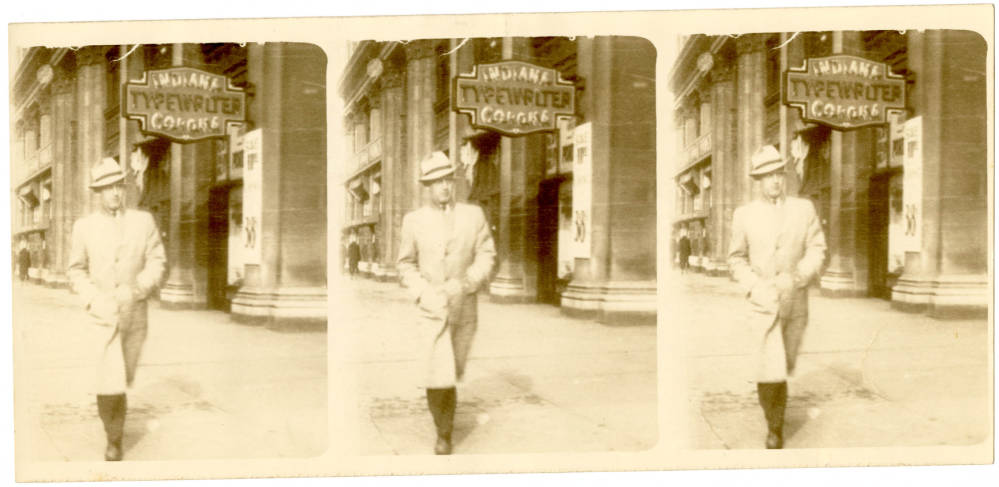
John P. Parrish – Image from Indiana State Library Digital Collection.

Have you ever thought about how nice it would be to peruse the archives in your ancestral hometown and dig into your family history research? Answers to your most puzzling genealogical questions may be hiding on a dusty shelf of a local repository. Precious records that can’t be found online may only be available at the area courthouse or archives.

If you engage in this type of thinking, consider a trip to your ancestor’s hometown. Walk in their footsteps, learn about local family history and explore a new destination all at once!

Here are some quick tips on how to make the most of an ancestral trip:

Research in advance and make note of any addresses, business names or towns where your ancestors lived or worked that you are interested in visiting. Census records, newspapers, atlases or city directories are useful in determining locations. If you are researching where your ancestor immigrated from look for naturalization records, passenger lists, vital and other types of records to help you identify their place of origin.
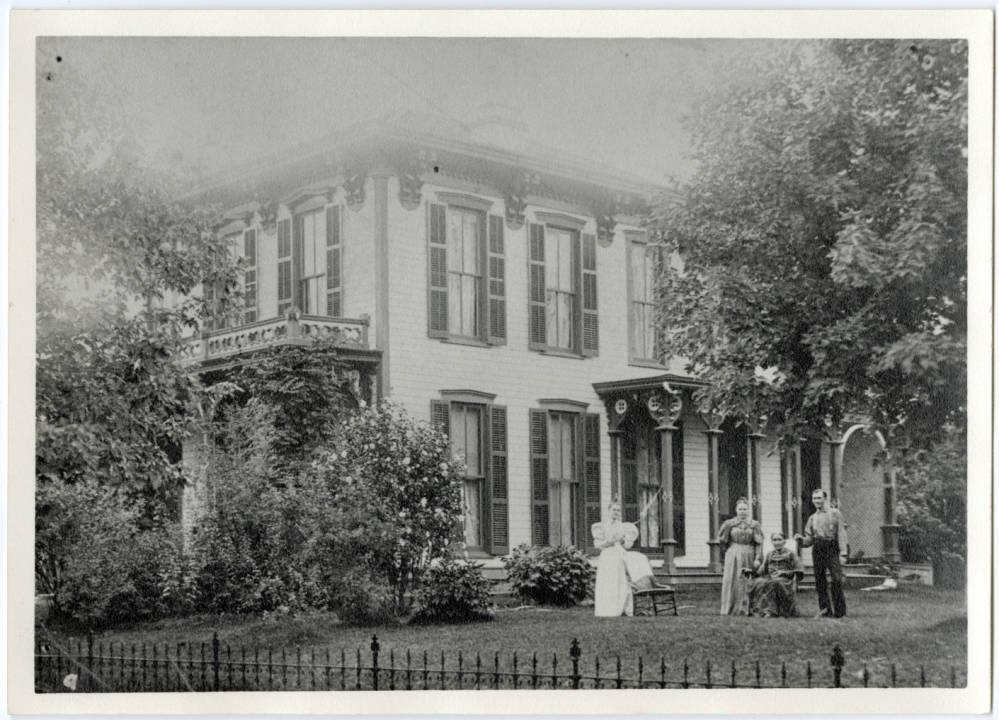
Elenor Carter and other family members – Image from Indiana State Library Digital Collection.

Learn the local history to gain an understanding of what it was like for your ancestors in their lifetime. Websites like Family Search and Internet Archive have a variety of free local history books in their digital collections to read on your home computer. Search your local public library catalog to see if they have books that you are interested in. The Indiana State Library, for example, has numerous county histories within the collection. Just search the library’s catalog to explore our holdings.
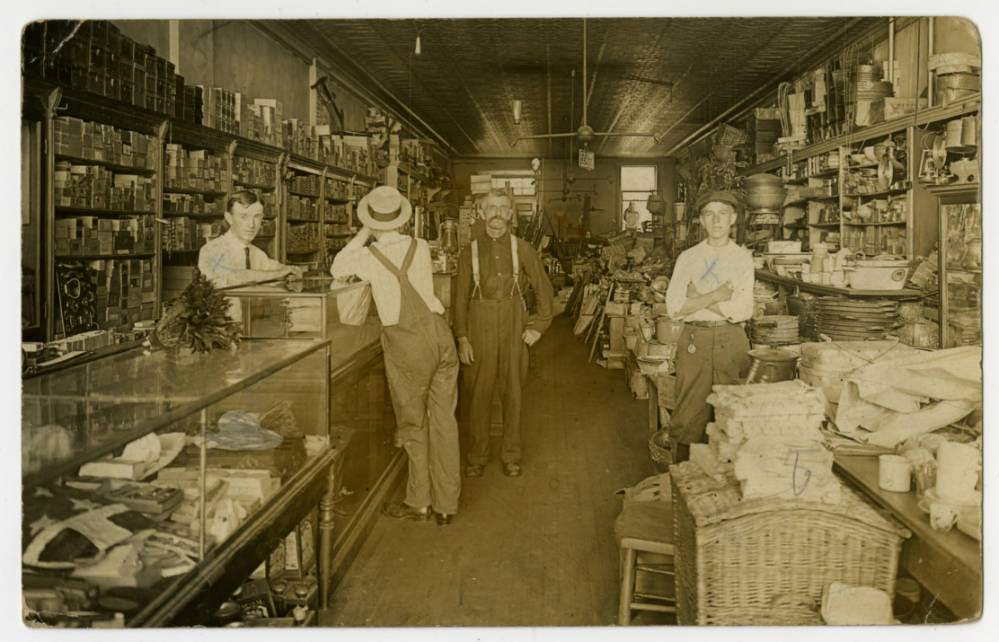
Dry goods store – Image from Indiana State Library Digital Collection.

Identify the research topics of interest, the types of records you would like to find and the locations where they are held. The Family Search Research Wiki has information on where records are held by location. Then, visit the websites of the local library, archive, genealogical or historical society. Sometimes they offer research guides with information about their holdings. For example, the Indiana State Library has a variety of guides including this handy list of genealogical resources at the library by Indiana county.
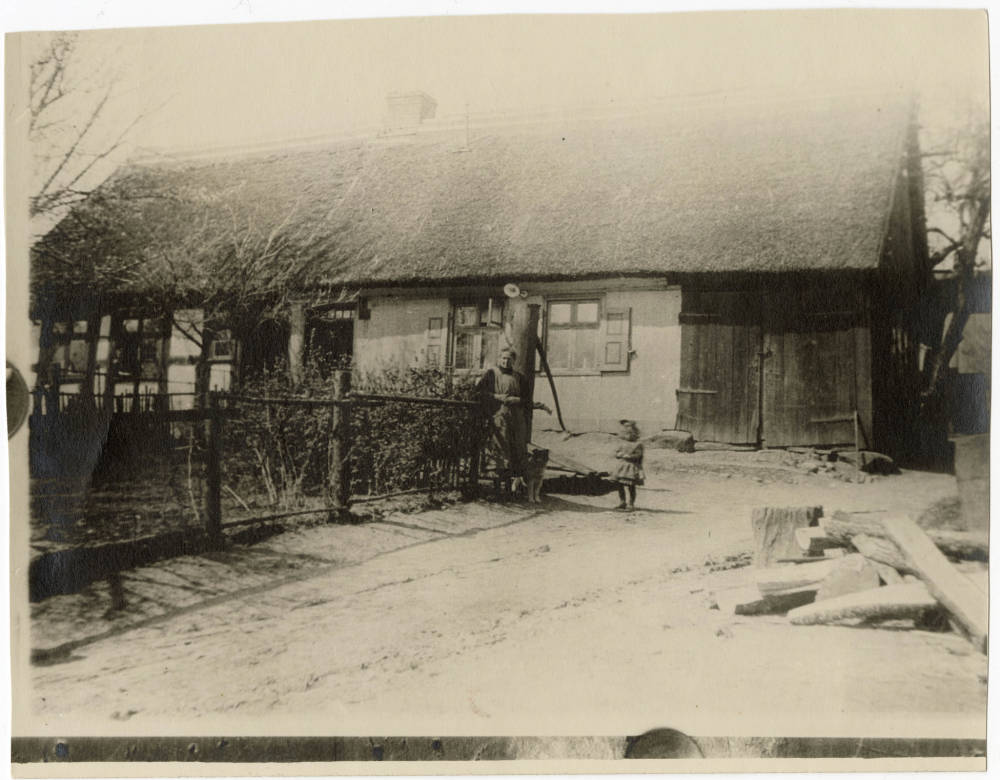
Arndt home on Stolpe, Germany – Image from Indiana State Library Digital Collection.

As with any trip, it’s a good idea to make a list of the items you will need to bring with you. For a genealogy trip some additional items to include are:

  • Flash drive or storage device to save research.
    • Tip: Don’t forget to backup any items that you save as a failsafe in case you lose or damage a storage device during your trip.
  • A camera to take photos of gravestones, sites and landmarks.
  • A notebook, laptop or tablet to organize your research.
  • If you have living relatives that agree to an interview, think about bringing recording devices along.
    • Tip: You could use a smartphone app to serve this purpose but consider a back-up method in case of tech issues, such as a handheld recorder.
  • Research that you’ve already done or important documents to which you will need to refer.
  • List of locations you wish to visit.
  • List of research goals.

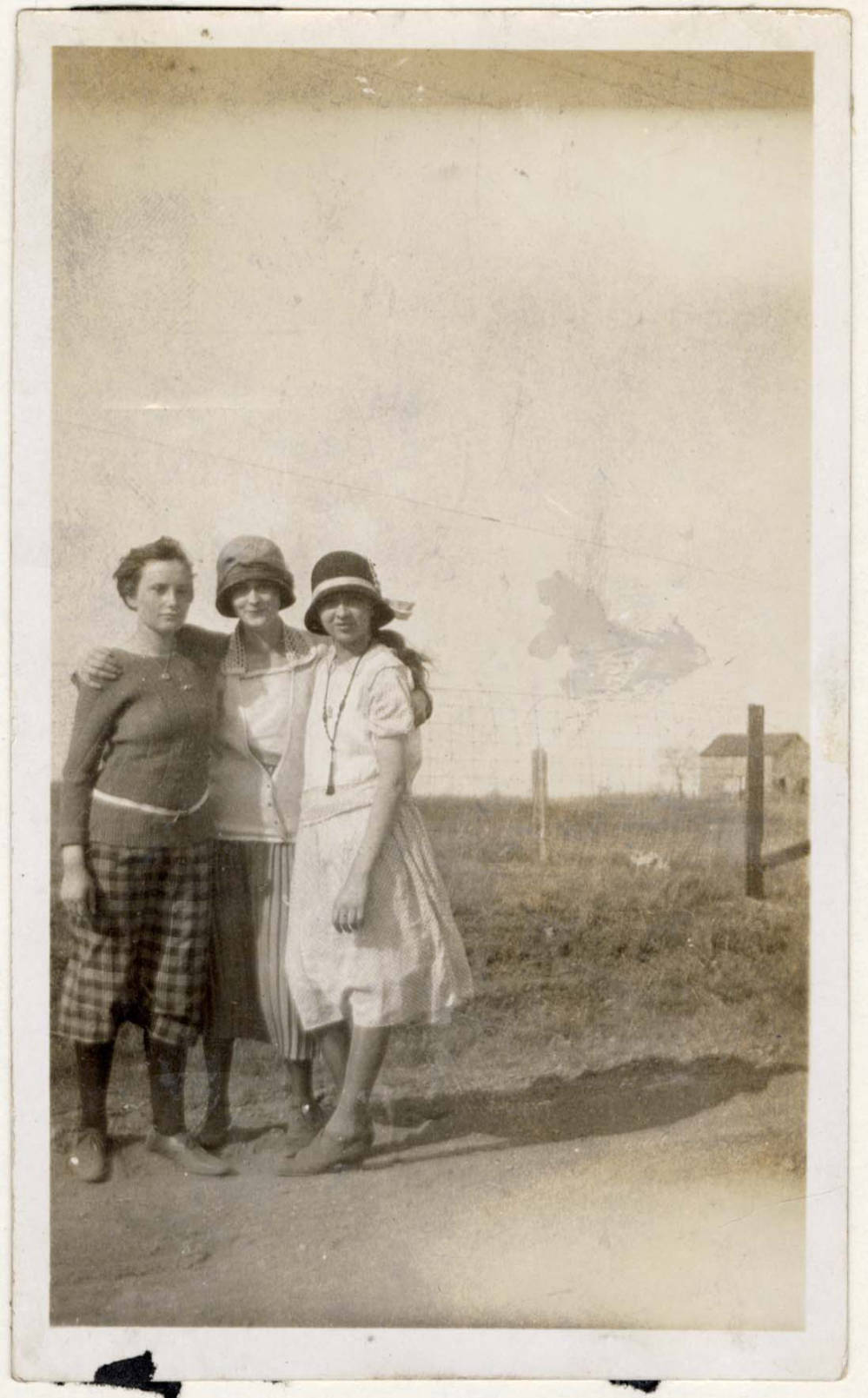
Emma Powers, Grace Gossett and Margaret Gossett – Image from Indiana State Library Digital Collection.

Call or email the library, archive or genealogical society in advance to give them a heads up about your visit. Some locations require appointments, and it is helpful to learn about their rules for visitors ahead of time. Be prepared to provide them with the specific questions you are trying to answer or research goals. This way you will know what to expect when you arrive. After all, there will be so much to see and do!

If you are considering a trip to the Indiana State Library, reach out to us by phone at 317-232-3689 or by using our wonderful Ask-a-Librarian service. We are happy to help.
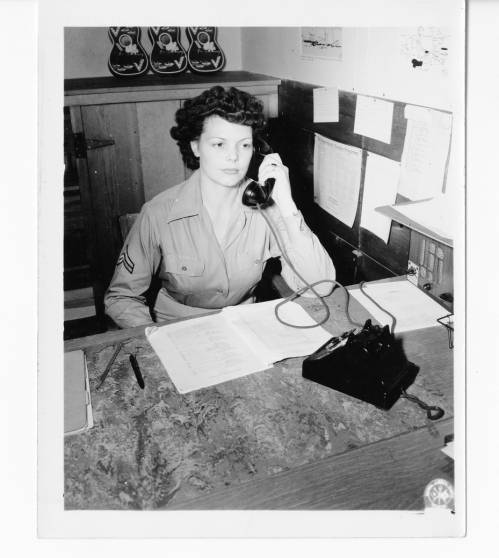
Cpl. Thomas answering telephone – Image from Indiana State Library Digital Collection.

Would you like to learn more? Pick up a copy of the following books to help you prepare for your trip:

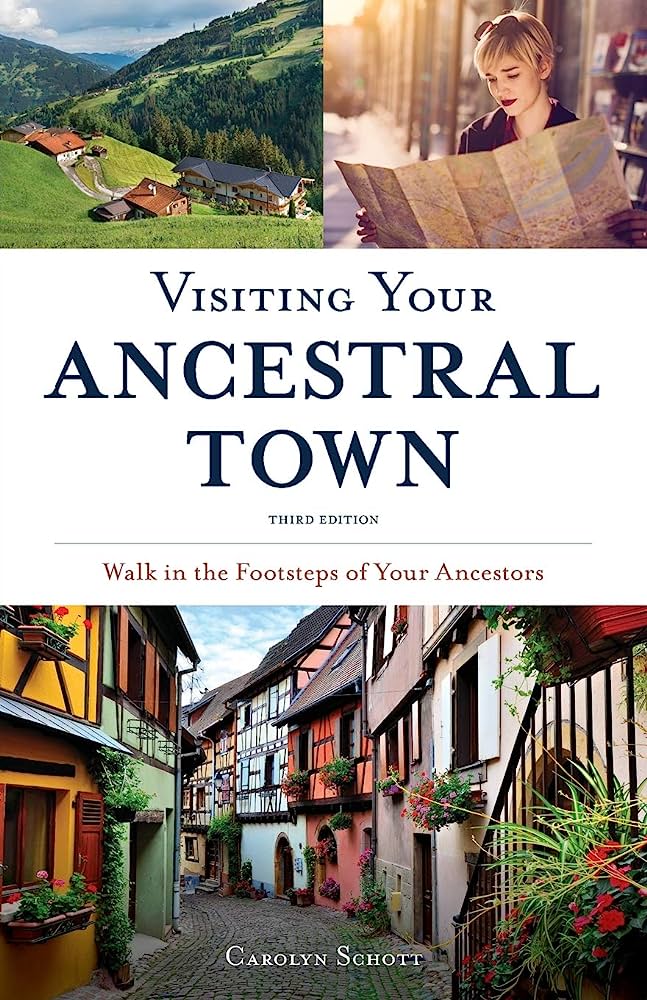
“Visiting Your Ancestral Town: Walk in the Footsteps of your Ancestors” by Carolyn Schott is full of great suggestions and advice to make the most out of your trip!
For more specifics on how to conduct research during your trip, pick up a copy of “Searching on Location: Planning a Research Trip” by Anne Ross Balhuizen.
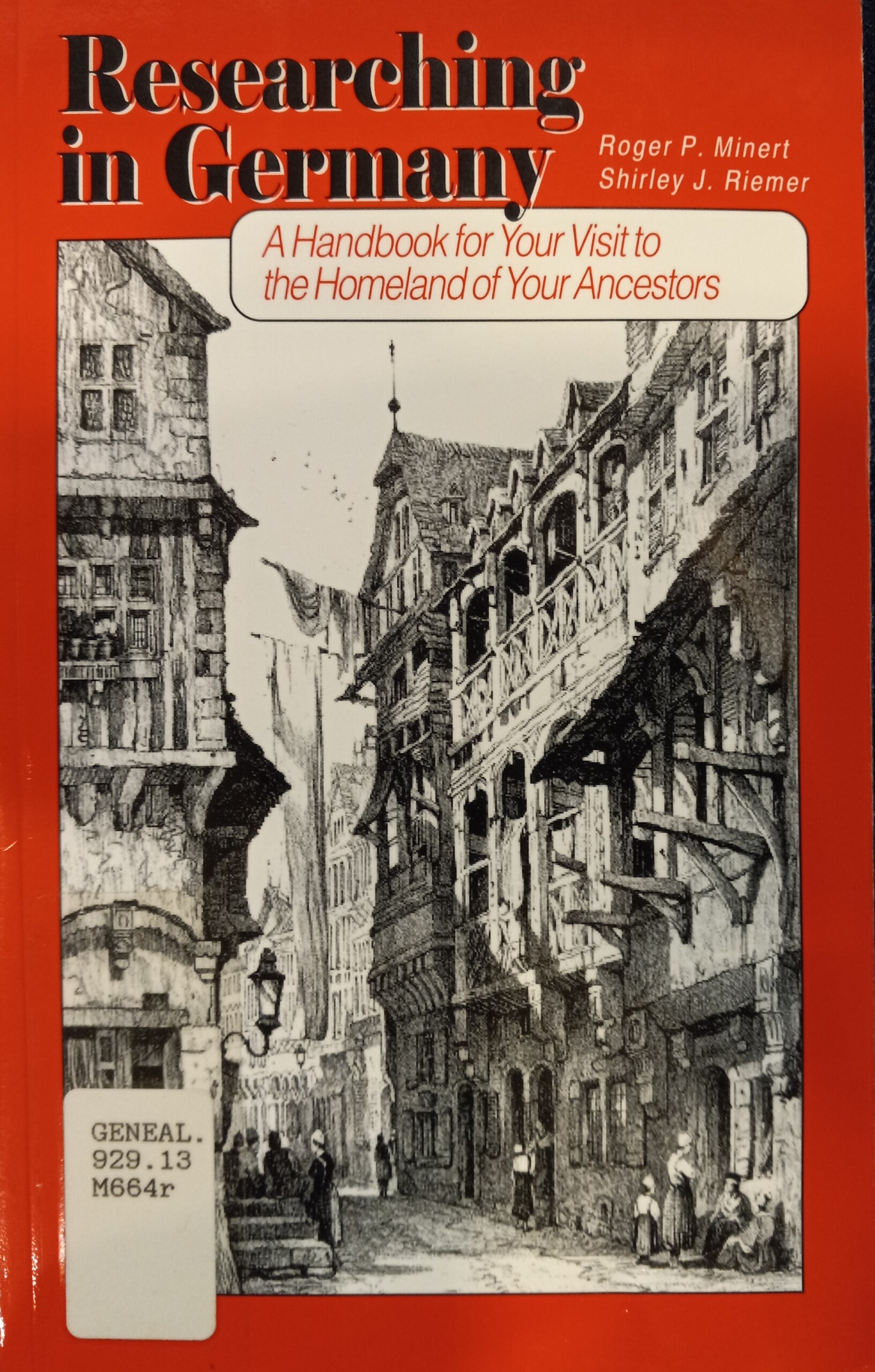
Those with German ancestors may be interested in reading “Researching in Germany: A Handbook for your Visit to the Homeland of Your Ancestors” by Roger P. Minert.
Safe travels!

This blog post is by Dagny Villegas, Genealogy Division librarian.